
Canes | SeniorTechLife
Learn how to fit, hold, and walk with a cane, including turns, chairs, curbs, stairs, safety checks, and when to ask for professional help.
However, using a walking cane correctly requires more than choosing a comfortable-looking handle. Cane height, grip position, the condition of the rubber tip, walking technique, and the environment all influence how the device performs. An unsuitable cane or incorrect walking pattern can create additional difficulties instead of providing the intended assistance.
This practical guide explains how to use a walking cane, select the appropriate support, adjust its height, and coordinate the cane with your steps. It also covers turning, sitting, standing, stairs, outdoor surfaces, maintenance, caregiver assistance, and the signs that a different mobility aid may be more appropriate.
Safety note: Sudden weakness, difficulty speaking, facial drooping, fainting, chest pain, a new severe headache, or a fall involving possible injury requires urgent medical assessment. Do not use a walking cane to delay appropriate care. Follow individualized instructions from a healthcare professional after surgery, injury, or significant changes in mobility.
Quick Answer: The Basic Walking Cane Sequence
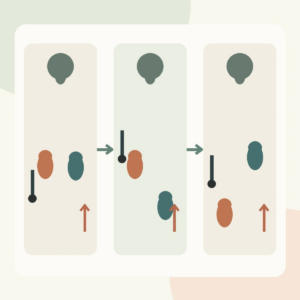
For a person with one weaker or painful leg, the usual walking cane technique is to hold the cane in the hand opposite that leg. The cane moves forward together with the weaker leg, followed by the stronger leg. This coordinated pattern helps provide support during the part of walking when the affected leg moves.
The walking cane should be adjusted to the user’s height, and its rubber tip should contact the ground securely before the person places weight through it. Maintain a comfortable posture, look ahead, and use short, controlled steps rather than reaching excessively far forward.
A simple walking cane sequence involves:
- Stand upright with the cane in the recommended hand, usually opposite the weaker leg.
- Position the walking cane slightly ahead of the body.
- Move the weaker or painful leg forward together with the cane.
- Apply only the amount of support appropriate for the device.
- Step forward with the stronger leg.
- Repeat the pattern at a controlled, comfortable pace.
This is general guidance rather than a replacement for individualized rehabilitation instructions. People with complex mobility needs, neurological conditions, or restrictions following surgery may require a different walking pattern.
When Is a Cane for Walking Appropriate?
A walking cane may be suitable for someone who requires a relatively small amount of additional assistance with balance, stability, or discomfort in one leg. It can help some users maintain a controlled walking pattern during ordinary activities without requiring the broader support of a walker.
However, a walking cane is not appropriate for every mobility condition. The person must have enough strength, coordination, and balance to use the device correctly while following any medical weight-bearing restrictions.
Mild Balance Difficulties
A conventional walking cane may provide an additional ground-contact point for certain people who remain relatively stable while walking.
One-Sided Weakness
When one leg is weaker than the other, a cane may help coordinate movement and provide limited assistance during the walking cycle.
Pain During Walking
Some individuals use a walking cane to reduce the demands placed on a mildly painful leg, provided the device and technique are appropriate.
When More Support Is Necessary
Significant weakness, repeated falls, instability in multiple directions, or difficulty bearing weight may indicate that a walker, crutches, or another device is more suitable.
Seek Professional Assessment
If the user must lean heavily on the walking cane, regularly reaches for furniture, or feels unable to remain upright without it, the equipment should be reassessed by a qualified healthcare professional.
Fit the Cane Before Practicing
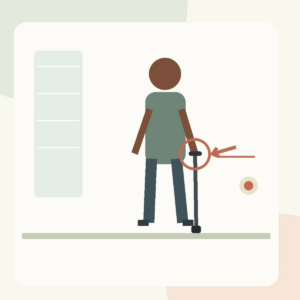
Correct fitting is essential when learning to use a walking cane. A cane that is too short can encourage forward leaning, while one that is too tall may create an awkward shoulder or arm position. The correct height allows the person to maintain a relatively upright posture and hold the handle comfortably.
Wear the shoes normally used for walking and stand on a level surface with both arms relaxed. The walking cane handle should generally align with the wrist crease, with the elbow slightly bent when the handle is held.
A physical therapist can refine the fit when posture, joint discomfort, leg-length differences, or mobility restrictions make ordinary measurements insufficient. The final adjustment should also be reviewed while walking, because a cane that looks suitable while standing may feel different during movement.
Check the Shaft and Adjustment
The shaft is an essential structural component of a walking cane. It should remain straight and free from visible cracks, severe dents, bends, or other damage that could affect reliability. The manufacturer’s stated weight capacity and intended use should also match the person’s needs.
Adjustable walking canes commonly have a spring-loaded button that fits into a series of height-adjustment holes. Some models also have a threaded locking collar designed to secure the selected position.
Before regular use, confirm that the adjustment button is fully engaged and that the collar is secured according to the manufacturer’s instructions. Do not rely on a walking cane with an unstable shaft, loose mechanism, or improvised structural repair.
Check the Tip
The rubber tip is the primary ground-contact component of a conventional walking cane. Its condition directly affects how reliably the cane contacts different walking surfaces.
Inspect the tip for cracking, excessive wear, hardening, looseness, or missing tread. A tip that no longer fits securely or allows the shaft to protrude should be replaced with an appropriate manufacturer-compatible component.
A quad walking cane has multiple ground-contact tips that should be inspected individually. All applicable tips must rest on the ground as intended before the person relies on the cane for support.
Even a clean, undamaged rubber tip can slip on wet, oily, or otherwise unsuitable surfaces. Proper maintenance reduces avoidable equipment problems but does not eliminate environmental hazards.
Check the Handle
A walking cane handle should feel secure and comfortable in the user’s hand. An unsuitable grip may contribute to wrist discomfort, excessive finger pressure, or difficulty controlling the device.
Common handle designs include curved, offset, and ergonomically contoured styles. Each can feel different depending on hand size, strength, joint mobility, and the amount of support required.
Inspect the handle for looseness, damage, or unwanted rotation. A cushioned grip may improve comfort for some users, but the underlying shape and size still need to suit the person.
If pain, numbness, or significant discomfort develops during use, request a fit or technique assessment rather than continuing to rely on an uncomfortable walking cane.
Which Hand Should Hold the Walking Cane?
For a person with one weaker, painful, or recovering leg, a walking cane is generally held in the hand opposite the affected leg. This common technique helps coordinate cane movement with the leg that needs additional support.
If the left leg is weaker, the walking cane is usually held in the right hand. If the right leg is weaker, the cane is generally held in the left hand.
This arrangement can support a more natural arm-and-leg walking rhythm and help the user maintain controlled movement. However, the proper side may differ when a person has significant hand, shoulder, neurological, or orthopedic limitations.
Do not switch hands simply because one side feels more familiar without considering the effect on walking support. A physical therapist can identify the most appropriate technique for the person’s condition.
How to Walk With a Walking Cane
Learning to walk with a walking cane involves coordinating the device with the user’s steps while maintaining a stable posture. Initial practice should take place on a dry, level, unobstructed surface, with appropriate supervision when needed.
The goal is a repeatable, controlled walking pattern. The walking cane should provide limited assistance without forcing the person to lean heavily, reach too far, or twist their body.
1. Set Your Posture
Stand relatively upright with relaxed shoulders and the walking cane positioned on the recommended side. Look along the walking route while maintaining awareness of the surface ahead.
2. Move the Cane
Place the walking cane a short, comfortable distance ahead. Avoid extending it so far that the shoulder or trunk must lean forward excessively.
3. Move the Weaker Leg
Advance the weaker or painful leg at approximately the same time as the cane. The tip and the foot should arrive in positions that allow the recommended support.
4. Transfer Only the Needed Support
Use the handle for the amount of assistance appropriate to the walking cane and the person’s condition. A standard cane should not be expected to carry most of the user’s body weight.
5. Step Through With the Stronger Leg
Bring the stronger leg forward to complete the walking cycle. Maintain a comfortable stride without rushing past the support point.
6. Repeat Slowly
Continue the pattern while keeping the cane within a manageable distance. If the cane crosses in front of the feet, lands too far away, or causes sideways leaning, stop and request appropriate guidance.
People often look down continuously when first learning to use a walking cane. A more effective routine generally involves looking ahead while checking the ground when surface changes require attention.
How to Turn With a Cane
Turning requires additional coordination because the body’s direction changes while the cane is being repositioned. Sudden twisting or placing the cane too far away may increase instability.
Slow down before beginning a turn. Keep the walking cane close enough to control and use small, deliberate steps to change direction instead of making an abrupt pivot around a planted cane.
In narrow spaces, check that the tip cannot catch a furniture leg, loose rug, or doorway edge. If turning requires awkward foot crossing or causes loss of balance, a wider route or different mobility arrangement may be more appropriate.
A rehabilitation professional can demonstrate turning techniques adapted to the person’s balance, affected leg, and available home space.
How to Sit Down and Stand Up With a Cane
Sitting and standing are different activities from walking. A standard walking cane is not designed to function as a fixed handrail or serve as the primary support for pulling the body upright.
A stable chair with appropriate armrests may be useful for some people. The recommended transfer method should reflect the person’s strength, balance, medical restrictions, and ability to use the chair safely.
Sitting Down
- Approach a stable chair using the recommended walking technique.
- Position yourself appropriately before beginning the transfer.
- Keep the walking cane controlled without allowing it to slide or obstruct your movement.
- Use approved chair supports and the technique taught by your healthcare professional.
- Lower yourself in a controlled manner without relying on the cane as the main support.
Standing Up
- Prepare for standing using the technique recommended for your condition.
- Position the feet appropriately and use suitable chair supports.
- Rise without pulling upward on a freestanding walking cane.
- Establish balance before beginning to walk.
- Take hold of the cane as instructed and check that its tip is positioned securely.
If sitting or standing requires substantial assistance, a different chair, transfer aid, or professional support arrangement may be appropriate.

How to Use a Cane on Curbs and Stairs
Curbs and stairs require greater balance and coordination than ordinary level walking. A walking cane may provide appropriate assistance for certain users, but not every staircase or step can be managed safely with a cane.
A therapist should evaluate the user’s mobility and teach an appropriate technique before the person relies on the walking cane for unfamiliar changes in elevation.
Going Up One Step or Curb
For someone with one stronger and one weaker leg, the commonly taught sequence is:
- Approach the step using the instructed walking pattern.
- Move the stronger leg up to the higher level first.
- Bring the weaker leg and walking cane up according to the prescribed technique.
- Pause and establish balance before continuing.
Going Down One Step or Curb
The commonly taught descending sequence involves:
- Position the walking cane on the lower level according to the approved technique.
- Move the weaker leg down.
- Bring the stronger leg down afterward.
- Regain a controlled position before continuing.
Using a Flight of Stairs
A secure handrail can provide important additional support. When appropriate, the person holds the rail with one hand and the cane with the other, following the technique recommended by a qualified professional.
Stair dimensions, handrail placement, fatigue, weakness, and footwear can affect whether the route is suitable. A walking cane should not be used as a substitute for a secure handrail or needed physical assistance.
If the person cannot maintain control, the staircase has no suitable support, or the surface is slippery, choose another route or obtain appropriate help.
Walking With a Cane for Balance
Walking with a cane for balance should feel controlled and reasonably repeatable. The walking cane provides another contact point with the ground, but the user’s legs and overall posture remain essential to maintaining stability.
Keep the cane close enough that the shoulder remains relaxed and the device can be positioned without excessive reaching. Avoid dragging the weaker foot toward the cane or placing the tip so far ahead that normal walking rhythm becomes difficult.
Balance can also change when attention is divided. Using a phone, carrying loose objects, or reaching into a bag may interfere with the person’s ability to maintain the prescribed technique.
Fatigue deserves particular attention. If the walking cane begins landing farther away, the person leans increasingly to one side, or the weaker foot becomes difficult to move, stop the activity and review whether the planned distance or support remains appropriate.
Use a Walking Cane on Different Surfaces With Care
A walking cane performs differently depending on the surface beneath its tip. Even when the device is properly maintained, the walking environment may present conditions that reduce traction or interfere with normal movement.
The most practical approach is to choose routes that match the person’s abilities and the manufacturer’s instructions for the equipment.
Carpet and Rugs
Thick carpeting may affect how the walking cane tip moves. Loose rugs, curled edges, or unsecured runners can create tripping hazards for both the person and the device.
Keep important walking routes clear and address flooring problems before relying on the cane in that area.
Wet or Polished Floors
Water, oil, polish, or other substances can make floors slippery. A rubber cane tip cannot guarantee traction when the surface is unsuitable.
Avoid wet or contaminated areas whenever possible and follow the household’s appropriate cleaning and fall-prevention arrangements.
Grass, Gravel, and Uneven Ground
A narrow walking cane tip may sink into soft ground, slide on loose gravel, or contact an irregular surface unpredictably. These conditions may require a different route or another mobility aid.
Do not assume that a wider tip or accessory makes all outdoor terrain safe. A qualified professional can help evaluate appropriate options.
Doors
Opening a heavy door may require the user to coordinate the walking cane, their balance, and the movement of the door.
Automatic doors, appropriate assistance, or adjustments to the environment may be more practical than attempting an awkward reach.
Common Walking-Cane Mistakes
Several common mistakes can reduce the usefulness of a walking cane, even when the device itself is in good condition.
- Holding the cane on the weaker side without an individualized reason.
- Placing the tip excessively far ahead of the body.
- Using a cane that is too tall or too short.
- Beginning movement before the tip is securely positioned.
- Turning abruptly around a planted cane.
- Continuing to use a worn rubber tip or unreliable adjustment lock.
- Carrying objects in the hand needed to control the cane.
- Leaning heavily on the device when it is not designed for that amount of support.
- Ignoring repeated instability, increasing pain, or meaningful changes in walking ability.
The appropriate response is to correct the underlying problem rather than simply force continued use. A professional gait assessment may identify whether the issue involves cane fit, technique, physical abilities, or the environment.
Walking-Cane Safety Check
A walking cane should be inspected regularly, especially when it is used throughout the day. Basic checks can identify signs of wear before the device becomes unreliable.
Examine the rubber tip for cracking, flattening, hardening, or looseness. Inspect the shaft for bending or other structural damage, and confirm that the handle is secure.
If the walking cane is adjustable, check the locking button and collar according to the manufacturer’s instructions. The mechanism should remain reliably engaged at the selected height.
Clean the tip and other appropriate components using suitable methods. Replace damaged parts with compatible manufacturer-approved replacements rather than using improvised repairs.
Store the walking cane in a location where it can be reached when needed without blocking doorways or creating a hazard for other household members.
When to Ask for Professional Help
Professional reassessment is appropriate when the person develops new walking difficulties or the existing walking cane no longer provides sufficient support.
Changes that deserve attention include repeated near-falls, a recent fall, increasing pain, significant fatigue, difficulty coordinating the walking sequence, or problems negotiating familiar routes.
A physical therapist can assess balance, strength, posture, walking technique, and equipment fit. An occupational therapist may also help identify household accessibility barriers that affect everyday movement.
Professional fitting is valuable when a walking cane has been borrowed, inherited, or purchased without evaluation. The correct height, handle design, and support level for one person may not suit another.
If new symptoms develop suddenly or suggest an urgent medical condition, seek appropriate care rather than relying on a change in mobility equipment.
Walking-Cane Questions
These answers summarize common questions about walking cane use. They provide general educational information and do not replace instructions given for a specific injury, surgery, or medical condition.
Do You Hold a Cane on the Strong or Weak Side?
For someone with one weaker or painful leg, a walking cane is usually held in the hand opposite that leg, commonly described as the stronger side.
A healthcare professional may recommend a different arrangement for certain conditions or upper-body limitations.
Should the Cane Move With the Weak Leg?
Yes. In the usual walking cane pattern, the cane moves forward together with the weaker or painful leg, followed by the stronger leg.
This coordinated movement should be practiced at a controlled pace using the technique recommended for the individual.
How High Should a Walking Cane Be?
The handle should generally align with the wrist crease when the person stands upright wearing normal walking shoes.
The elbow should remain slightly bent when gripping the handle. Individualized fitting may be needed for particular physical conditions.
Can I Lean My Full Weight on a Cane?
A conventional walking cane is generally intended to provide limited support. It should not automatically be used to carry most of the person’s body weight.
If substantial assistance is required, a clinician can assess whether crutches, a walker, or another mobility aid is more appropriate.
Can I Use a Cane on Stairs Without a Handrail?
Stairs without a secure handrail can present significant challenges. Whether they can be managed depends on the person’s abilities, the staircase, and professional assessment.
Do not attempt unfamiliar or unsuitable stairs alone when balance, strength, or cane control is uncertain. Use another route or appropriate assistance.
How Often Should I Replace the Cane Tip?
Inspect the walking cane tip frequently, particularly with daily use. Replace it when the rubber becomes worn, cracked, hardened, loose, or otherwise unreliable.
The replacement must be compatible with the exact cane.
What if Both Legs Are Weak?
A single walking cane may not provide enough support when weakness affects both legs.
A qualified clinician can recommend a walker, crutches, wheelchair, or another mobility option based on the person’s actual needs.
Final Checklist for Safe Cane Use
Before relying on a walking cane regularly, confirm:
-
The cane provides an appropriate level of support.
-
The manufacturer’s weight capacity is suitable.
-
The cane is adjusted to the correct height.
-
The elbow remains slightly bent when gripping the handle.
-
The grip is comfortable and secure.
-
The shaft and adjustment mechanism are undamaged.
-
The rubber tip is properly fitted and in good condition.
-
The cane is held on the recommended side.
-
The cane and weaker leg move forward together when appropriate.
-
The user understands how to turn without sudden twisting.
-
Sitting and standing follow the recommended transfer technique.
-
Stairs and curbs have been evaluated.
-
Walking routes are clear, dry, and well lit.
-
Footwear provides suitable support and traction.
-
The person recognizes when fatigue or symptoms require stopping.
-
Professional reassessment is available when needs change.
A walking cane should provide a manageable level of assistance without creating new difficulties. If the technique requires constant effort, causes discomfort, or leaves the user feeling unstable, the equipment and mobility plan should be reviewed.
Conclusion: Using a Walking Cane Safely and Confidently
A properly fitted walking cane can help certain older adults and people with mild mobility limitations maintain a more controlled walking pattern. However, the device is only useful when its support characteristics match the person’s abilities and the environment.
Correct handle height, suitable hand placement, a secure rubber tip, and coordinated steps are important foundations. Turning, transfers, stairs, and uneven surfaces require additional attention, and some situations call for professional instruction or a different mobility aid.
The best walking cane is one that fits the individual, provides the appropriate degree of support, and remains reliable through regular inspection and maintenance. Understanding its limitations is as important as learning the walking technique itself.