
This U.S. guide explains how to evaluate rollators for elderly through the person, exact equipment, setting, safety, service, cost, coverage boundaries, and backup plan—not through a label or sale claim alone.
The current results point to a practical comparison: verify fit, limits, route conditions, service support, and the user’s ability to operate the equipment before relying on a product label or a single specification.
Quick answer: what rollators for elderly buyers should verify first
Choose rollators for elderly only after verifying the person, exact equipment, setting, training, service, total cost, and backup plan. Do not treat a search result or product label as proof of fit or safety.
Start with the exact decision the person needs to make and the setting where it will happen. If the answer depends on a model, supplier, payer, installer, or clinical assessment, document that dependency instead of turning a general statement into a guarantee. This guide keeps that decision centered on rollators for elderly.
Verify the exact option before relying on it. This guide keeps that check centered on rollators for elderly.
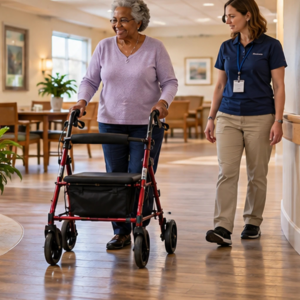
What a rollator for an older adult should solve with rollator walker for elderly
Start with the decision behind rollator older adult should solve rollator walker, not with a product promise. Identify who will use it, where the task occurs, how often it occurs, and what would count as a successful result. That framing keeps rollators for elderly tied to a real need rather than to a shopping label. For rollator older adult should solve rollator walker, record the setting and the person’s actual need.
Write down the constraint most likely to change the answer: reach, balance, transfer ability, door width, floor surface, endurance, storage, or help available. A choice that works in a showroom may fail in the home if that constraint is ignored. Applied to rollator older adult should solve rollator walker, this check should be completed before relying on a claim.
Use the exact model manual, current supplier information, and a professional assessment when the decision depends on fit or safety. Treat reviews as observations, not as proof that rollator older adult should solve rollator walker will work for every older adult. Keep the evidence for rollator older adult should solve rollator walker tied to the exact model and date.
Measure the route before deciding. End this part with a decision rule: proceed only when the person, setting, equipment, and support plan agree. If one element is unknown, record the question and resolve it before purchase or use. The practical test for rollator older adult should solve rollator walker is what the person can safely do in the real setting.
Use a short written summary for rollator older adult should solve rollator walker: need, setting, verified limits, unresolved question, and next action. That summary lets another caregiver understand the choice without relying on a sales conversation. Document the unresolved point about rollator older adult should solve rollator walker instead of filling it with a guess.
Ask one final question about rollator older adult should solve rollator walker: what would make this plan fail, and what will be done first if it does? A visible answer turns a general recommendation into a usable household plan. Review this rollator older adult should solve rollator walker point whenever the person, equipment, or setting changes.
Rollator versus fixed walker — a rollators best decision
Measure the space and the person before judging rollator fixed walker rollators best. Note the usable width, turning space, height, reach, surface changes, and the position where the equipment must stop. Measurements should describe the difficult part of the route, not only the open area. For rollator fixed walker rollators best, record the setting and the person’s actual need.
Compare those measurements with the manufacturer’s current specifications for the exact model. Do not substitute a similar model, a marketplace listing, or a rounded number when a few inches could affect a transfer or a safe turn. Applied to rollator fixed walker rollators best, this check should be completed before relying on a claim.
If the result is close, arrange a supervised trial in the actual room. Watch the complete movement from setup to finish and write down where effort, contact, hesitation, or loss of control appears. Keep the evidence for rollator fixed walker rollators best tied to the exact model and date.
Review the next safe action. The useful conclusion for rollator fixed walker rollators best is therefore conditional: it fits this person, in this route, with this assistance, on this date—or it needs a different configuration. The practical test for rollator fixed walker rollators best is what the person can safely do in the real setting.
If a measurement or trial cannot be completed, say so plainly. For rollator fixed walker rollators best, an honest “not yet verified” is safer and more useful than filling the gap with an assumption. Document the unresolved point about rollator fixed walker rollators best instead of filling it with a guess.
For rollator fixed walker rollators best, record both the measurement and the method used to take it. Future changes can then be compared with the same baseline instead of with memory. Review this rollator fixed walker rollators best point whenever the person, equipment, or setting changes.
rollators: Rollator height and posture for elderly users
Look at the controls involved in rollators rollator height posture elderly users. Ask whether the user can see, reach, understand, and operate them while seated, standing, transferring, or fatigued. A feature is not helpful if the control requires a grip, sequence, or reaction the person cannot reliably provide. For rollators rollator height posture elderly users, record the setting and the person’s actual need.
Check what happens after a missed button press, low battery, blocked path, alarm, or interrupted task. The plan should describe a safe pause and a way for the caregiver or professional to take over without rushing. Applied to rollators rollator height posture elderly users, this check should be completed before relying on a claim.
Confirm control behavior in the current instructions, including limits, indicators, emergency steps, and charging or reset requirements. Photographing the relevant page for the household record can prevent guesswork later. Keep the evidence for rollators rollator height posture elderly users tied to the exact model and date.
Test the backup before relying on it. For rollators rollator height posture elderly users, judge independence and supervision separately. Someone may operate one step alone while still needing help with setup, transfers, inspection, or recovery from an error. The practical test for rollators rollator height posture elderly users is what the person can safely do in the real setting.
Keep the person’s preference in the record for rollators rollator height posture elderly users. Consent, comfort, and willingness are part of a workable plan, not optional details after the technical comparison. Document the unresolved point about rollators rollator height posture elderly users instead of filling it with a guess.
Let the person decide what information they want shared with helpers. A good plan for rollators rollator height posture elderly users supports assistance without removing the older adult from the decision. Review this rollators rollator height posture elderly users point whenever the person, equipment, or setting changes.
Rollator brakes and safe seated rest with seat for rollator walker
Test rollator brakes safe seated rest seat rollator on the route that matters: the doorway, hallway, bathroom, bedside area, ramp, floor transition, or parking surface. A straight-line demonstration does not show the turning, stopping, or alignment demands of ordinary use. For rollator brakes safe seated rest seat rollator, record the setting and the person’s actual need.
Mark pinch points and places where a helper would need to stand. Keep the route clear, preserve the person’s privacy, and stop the trial if the equipment catches, tilts, drifts, or requires force beyond the planned assistance. Applied to rollator brakes safe seated rest seat rollator, this check should be completed before relying on a claim.
Use the exact equipment and accessories being considered. Changes in base width, casters, sling, cushion, basket, charger, or attachment can change the route even when the main product name stays the same. Keep the evidence for rollator brakes safe seated rest seat rollator tied to the exact model and date.
Record the model and date. Record the route result for rollator brakes safe seated rest seat rollator with a date, measurements, and the people present. That evidence is stronger than a general claim that the equipment is compact, portable, or easy to maneuver. The practical test for rollator brakes safe seated rest seat rollator is what the person can safely do in the real setting.
Photograph or note the route only with appropriate privacy. The goal is to document the conditions affecting rollator brakes safe seated rest seat rollator, not to collect unnecessary personal information. Document the unresolved point about rollator brakes safe seated rest seat rollator instead of filling it with a guess.
Return to the route for rollator brakes safe seated rest seat rollator after furniture, flooring, or equipment changes. Small environmental changes can alter clearance and stopping space. Review this rollator brakes safe seated rest seat rollator point whenever the person, equipment, or setting changes.
Rollator with seat and caregiver boundaries — a rollators for elderly decision
Plan the caregiver workflow around rollator seat caregiver boundaries rollators elderly. Define who prepares the equipment, who checks the person, who gives instructions, and who remains available until the task is complete. Clear roles reduce the chance that everyone assumes someone else verified the critical step. For rollator seat caregiver boundaries rollators elderly, record the setting and the person’s actual need.
Include the time and effort required before and after use: charging, positioning, cleaning, folding, storage, documentation, and contacting support. Those ordinary tasks often determine whether a solution is sustainable after the first week. Applied to rollator seat caregiver boundaries rollators elderly, this check should be completed before relying on a claim.
Ask whether the routine still works on a tired day, during a schedule change, or when the usual helper is unavailable. A backup person or alternative method should be named before it is needed. Keep the evidence for rollator seat caregiver boundaries rollators elderly tied to the exact model and date.
Stop when control is lost. The best plan for rollator seat caregiver boundaries rollators elderly protects the older adult’s preferences while giving the caregiver a specific, repeatable process rather than relying on memory. The practical test for rollator seat caregiver boundaries rollators elderly is what the person can safely do in the real setting.
Review the plan with the person who will perform the task most often. Their practical experience with rollator seat caregiver boundaries rollators elderly may reveal a timing, reach, or cleanup problem that a specification sheet cannot show. Document the unresolved point about rollator seat caregiver boundaries rollators elderly instead of filling it with a guess.
The person who cleans or stores rollator seat caregiver boundaries rollators elderly should be included in the plan. A solution is only practical when its care burden fits the household. Review this rollator seat caregiver boundaries rollators elderly point whenever the person, equipment, or setting changes.
rollator walker for elderly: Rollator capacity and body fit
Safety for rollator walker elderly rollator capacity body fit begins with a stop condition. Pause for pain, skin changes, instability, unexpected resistance, a damaged strap or cable, a missing part, an alarm, or any movement that the trained user cannot control. For rollator walker elderly rollator capacity body fit, record the setting and the person’s actual need.
Do not solve a safety concern by adding an accessory or changing the technique without checking the current instructions and obtaining qualified guidance. A workaround can create a new load, pinch, tipping, or transfer risk. Applied to rollator walker elderly rollator capacity body fit, this check should be completed before relying on a claim.
Keep emergency contacts and the product support number accessible. If there is immediate danger, protect the person first and use local emergency services; product troubleshooting can wait. Keep the evidence for rollator walker elderly rollator capacity body fit tied to the exact model and date.
Confirm the exact part number. Before relying on rollator walker elderly rollator capacity body fit, make sure every regular user knows the stop rule, the safe exit, and the person to contact. Safety is part of the setup, not a paragraph added after the buying decision. The practical test for rollator walker elderly rollator capacity body fit is what the person can safely do in the real setting.
When a concern about rollator walker elderly rollator capacity body fit cannot be resolved at home, stop the task and escalate it to the appropriate professional. Do not let urgency turn an unknown into a technique. Document the unresolved point about rollator walker elderly rollator capacity body fit instead of filling it with a guess.
Use the same calm language during a real task that was used during training for rollator walker elderly rollator capacity body fit. Consistent cues make it easier to pause before a problem becomes an injury. Review this rollator walker elderly rollator capacity body fit point whenever the person, equipment, or setting changes.
Three-wheel and four-wheel rollators with rollators best
If three-wheel four-wheel rollators rollators best depends on power, study the complete power path rather than only the battery label. Confirm charging time, indicator behavior, outlet location, cable routing, expected use, and what happens when the charge is low. For three-wheel four-wheel rollators rollators best, record the setting and the person’s actual need.
Ask the supplier or manufacturer which battery, charger, replacement part, and service process apply to the exact model. Similar-looking chargers and generic accessories may not be interchangeable. Applied to three-wheel four-wheel rollators rollators best, this check should be completed before relying on a claim.
Create a fallback for a missed charge, outage, depleted battery, or charger failure. The backup may be a safe manual method, another trained helper, a different device, or a service contact—not an improvised repair. Keep the evidence for three-wheel four-wheel rollators rollators best tied to the exact model and date.
Practice the full sequence slowly. For three-wheel four-wheel rollators rollators best, document the charging routine where the caregiver will see it and review it whenever the daily schedule, travel plan, or equipment configuration changes. The practical test for three-wheel four-wheel rollators rollators best is what the person can safely do in the real setting.
Keep the backup method for three-wheel four-wheel rollators rollators best realistic. It should be available, understood, and safe under the same conditions that make the primary method useful. Document the unresolved point about three-wheel four-wheel rollators rollators best instead of filling it with a guess.
Keep the backup for three-wheel four-wheel rollators rollators best within reach, charged or ready, and known to every regular helper. A backup that exists only on paper is not a backup. Review this three-wheel four-wheel rollators rollators best point whenever the person, equipment, or setting changes.
Indoor rollator routes — a rollators decision
Transition check 1: connect this subsection to one specific, observable question before moving forward.
Practical checks for Indoor rollator routes rollators
- Maintenance for indoor rollator routes rollators should be observable and scheduled. Separate daily checks from monthly or service checks, and list the parts that need cleaning, inspection, lubrication, tightening, charging, or replacement according to the current manual. For indoor rollator routes rollators, record the setting and the person’s actual need.
- Look for early signals such as noise, drift, uneven movement, a loose fastener, worn fabric, cracked plastic, heat, error codes, or a change in effort. Record the signal before it becomes a failure. Applied to indoor rollator routes rollators, this check should be completed before relying on a claim.
- Only use repairs and replacement parts approved for the exact equipment. A quick fix that changes a load-bearing or electrical component can affect safety and may void support or coverage. Keep the evidence for indoor rollator routes rollators tied to the exact model and date.
- Keep the support number accessible. A dated maintenance log makes indoor rollator routes rollators easier to manage: it shows what was checked, by whom, what was found, and when a qualified service visit is due. The practical test for indoor rollator routes rollators is what the person can safely do in the real setting.
- Maintenance notes for indoor rollator routes rollators should use plain observations rather than diagnoses. Describe what changed and ask the responsible service source to determine why. Document the unresolved point about indoor rollator routes rollators instead of filling it with a guess.
- If service changes the equipment used for indoor rollator routes rollators, repeat the relevant fit and route checks. A repair can change a setting even when the model number stays the same. Review this indoor rollator routes rollators point whenever the person, equipment, or setting changes.
seat for rollator walker: Outdoor rollator surfaces
Maintenance for seat rollator walker outdoor rollator surfaces should be observable and scheduled. Separate daily checks from monthly or service checks, and list the parts that need cleaning, inspection, lubrication, tightening, charging, or replacement according to the current manual. For seat rollator walker outdoor rollator surfaces, record the setting and the person’s actual need.
Look for early signals such as noise, drift, uneven movement, a loose fastener, worn fabric, cracked plastic, heat, error codes, or a change in effort. Record the signal before it becomes a failure. Applied to seat rollator walker outdoor rollator surfaces, this check should be completed before relying on a claim.
Only use repairs and replacement parts approved for the exact equipment. A quick fix that changes a load-bearing or electrical component can affect safety and may void support or coverage. Keep the evidence for seat rollator walker outdoor rollator surfaces tied to the exact model and date.
Keep the support number accessible. A dated maintenance log makes seat rollator walker outdoor rollator surfaces easier to manage: it shows what was checked, by whom, what was found, and when a qualified service visit is due. The practical test for seat rollator walker outdoor rollator surfaces is what the person can safely do in the real setting.
Maintenance notes for seat rollator walker outdoor rollator surfaces should use plain observations rather than diagnoses. Describe what changed and ask the responsible service source to determine why. Document the unresolved point about seat rollator walker outdoor rollator surfaces instead of filling it with a guess.
If service changes the equipment used for seat rollator walker outdoor rollator surfaces, repeat the relevant fit and route checks. A repair can change a setting even when the model number stays the same. Review this seat rollator walker outdoor rollator surfaces point whenever the person, equipment, or setting changes.
Folding rollator and vehicle storage with rollators for elderly
Transition check 2: connect this subsection to one specific, observable question before moving forward.
Practical checks for Folding rollator vehicle storage rollators elderly
- Calculate the total cost of folding rollator vehicle storage rollators elderly, not just the advertised price. Include delivery, assembly, accessories, batteries, consumables, maintenance, service calls, training, storage changes, and a possible return or replacement. For folding rollator vehicle storage rollators elderly, record the setting and the person’s actual need.
- Coverage questions require the exact person, diagnosis or functional need, product code, documentation, supplier, and jurisdiction. A general statement about Medicare, insurance, or a program does not guarantee payment for a particular household. Applied to folding rollator vehicle storage rollators elderly, this check should be completed before relying on a claim.
- Before relying on coverage, ask the responsible payer or administrator what must be authorized and what records must be retained. Keep estimates separate from approvals. Keep the evidence for folding rollator vehicle storage rollators elderly tied to the exact model and date.
- Document what changed before calling. The financial decision is stronger when folding rollator vehicle storage rollators elderly remains useful even if a claim is denied, delayed, or limited. Price certainty and coverage certainty are different questions. The practical test for folding rollator vehicle storage rollators elderly is what the person can safely do in the real setting.
- If payment for folding rollator vehicle storage rollators elderly depends on paperwork, make a checklist of the documents and dates. Do not purchase on the assumption that a future approval will be automatic. Document the unresolved point about folding rollator vehicle storage rollators elderly instead of filling it with a guess.
- Ask for an itemized estimate when discussing folding rollator vehicle storage rollators elderly. Separating equipment, delivery, setup, training, and service makes later coverage questions easier to answer. Review this folding rollator vehicle storage rollators elderly point whenever the person, equipment, or setting changes.
Rollator accessories and balance — a rollator walker for elderly decision
When buying rollator accessories balance rollator walker elderly, verify the seller, model number, condition, included components, return terms, warranty, delivery method, and after-sale support before paying. The lowest listed price is not the lowest total cost if setup or service is missing. For rollator accessories balance rollator walker elderly, record the setting and the person’s actual need.
Ask for written answers to the questions that matter to this household: exact dimensions, compatibility, lead time, replacement parts, training, repair location, and what happens if the item arrives damaged or does not fit. Applied to rollator accessories balance rollator walker elderly, this check should be completed before relying on a claim.
Keep the listing and confirmation together with the manual. Screenshots can change, while a dated record helps resolve a mismatch between what was promised and what was delivered. Keep the evidence for rollator accessories balance rollator walker elderly tied to the exact model and date.
Compare total cost, not price. Treat the purchase of rollator accessories balance rollator walker elderly as complete only when the equipment, instructions, support path, and return or repair plan are all understood. The practical test for rollator accessories balance rollator walker elderly is what the person can safely do in the real setting.
Before ordering rollator accessories balance rollator walker elderly, confirm the delivery path through the doorway and into the final room. A product can meet every listed specification and still be impossible to receive safely. Document the unresolved point about rollator accessories balance rollator walker elderly instead of filling it with a guess.
Confirm who will receive the package and inspect it before the delivery team leaves. This simple step can catch missing or damaged parts of rollator accessories balance rollator walker elderly early. Review this rollator accessories balance rollator walker elderly point whenever the person, equipment, or setting changes.
rollators best: Rollator maintenance and replacement tips
Transition check 3: connect this subsection to one specific, observable question before moving forward.
Practical checks for rollators best Rollator maintenance replacement tips
- Setup is part of the decision for rollators best rollator maintenance replacement tips. Confirm assembly, height, attachments, orientation, settings, charging, brakes, and labels against the exact instructions before the first real task. For rollators best rollator maintenance replacement tips, record the setting and the person’s actual need.
- Have the person and regular caregiver practice the sequence in a low-pressure setting. Demonstration is not enough; each user should show that they can recognize a problem and stop safely. Applied to rollators best rollator maintenance replacement tips, this check should be completed before relying on a claim.
- Ask a qualified professional to review the parts that depend on body fit, transfer technique, skin protection, weight limits, or clinical judgment. The seller’s familiarity with a product does not replace that assessment. Keep the evidence for rollators best rollator maintenance replacement tips tied to the exact model and date.
- Review the next safe action. Document who was trained, what was practiced, what remains restricted, and when the training should be refreshed. That record keeps rollators best rollator maintenance replacement tips from becoming dependent on one person’s memory. The practical test for rollators best rollator maintenance replacement tips is what the person can safely do in the real setting.
- After training on rollators best rollator maintenance replacement tips, schedule a refresher rather than assuming the first demonstration will be remembered. New helpers and changing routines deserve the same explanation. Document the unresolved point about rollators best rollator maintenance replacement tips instead of filling it with a guess.
- Keep training focused on the sequence the household will actually perform with rollators best rollator maintenance replacement tips. Extra information is not helpful if it obscures the critical stop points. Review this rollators best rollator maintenance replacement tips point whenever the person, equipment, or setting changes.
Medicare and rollator coverage with rollators
Calculate the total cost of medicare rollator coverage rollators, not just the advertised price. Include delivery, assembly, accessories, batteries, consumables, maintenance, service calls, training, storage changes, and a possible return or replacement. For medicare rollator coverage rollators, record the setting and the person’s actual need.
Coverage questions require the exact person, diagnosis or functional need, product code, documentation, supplier, and jurisdiction. A general statement about Medicare, insurance, or a program does not guarantee payment for a particular household. Applied to medicare rollator coverage rollators, this check should be completed before relying on a claim.
Before relying on coverage, ask the responsible payer or administrator what must be authorized and what records must be retained. Keep estimates separate from approvals. Keep the evidence for medicare rollator coverage rollators tied to the exact model and date.
Document what changed before calling. The financial decision is stronger when medicare rollator coverage rollators remains useful even if a claim is denied, delayed, or limited. Price certainty and coverage certainty are different questions. The practical test for medicare rollator coverage rollators is what the person can safely do in the real setting.
If payment for medicare rollator coverage rollators depends on paperwork, make a checklist of the documents and dates. Do not purchase on the assumption that a future approval will be automatic. Document the unresolved point about medicare rollator coverage rollators instead of filling it with a guess.
Ask for an itemized estimate when discussing medicare rollator coverage rollators. Separating equipment, delivery, setup, training, and service makes later coverage questions easier to answer. Review this medicare rollator coverage rollators point whenever the person, equipment, or setting changes.
Rollator reviews and best claims — a seat for rollator walker decision
Compare rollator reviews best claims seat rollator walker with alternatives by task, not by feature count. Put the options in the same situation and ask which one better manages fit, route, control, supervision, maintenance, cost, and backup needs. For rollator reviews best claims seat rollator walker, record the setting and the person’s actual need.
Note what each option gives up. A lighter solution may have less support; a powered option may add charging and service; a wider base may improve stability but restrict a doorway. The trade-off should be visible to the person deciding. Applied to rollator reviews best claims seat rollator walker, this check should be completed before relying on a claim.
Use the same test conditions for each model and record the result instead of relying on adjectives such as easy, premium, compact, or senior-friendly. Keep the evidence for rollator reviews best claims seat rollator walker tied to the exact model and date.
Measure the route before deciding. For rollator reviews best claims seat rollator walker, the better choice is the one that meets the real constraints with the fewest unacceptable risks—not automatically the newest, cheapest, or most reviewed option. The practical test for rollator reviews best claims seat rollator walker is what the person can safely do in the real setting.
Put the trade-offs for rollator reviews best claims seat rollator walker where the decision-maker can compare them calmly. A short table of gains, limits, costs, and support needs is better than a long list of unranked features. Document the unresolved point about rollator reviews best claims seat rollator walker instead of filling it with a guess.
Comparisons of rollator reviews best claims seat rollator walker should use the same definition of success. Otherwise an option may appear better only because it was judged on an easier task. Review this rollator reviews best claims seat rollator walker point whenever the person, equipment, or setting changes.
rollators for elderly: Used rollators for elderly users
Setup is part of the decision for rollators elderly used rollators elderly users. Confirm assembly, height, attachments, orientation, settings, charging, brakes, and labels against the exact instructions before the first real task. For rollators elderly used rollators elderly users, record the setting and the person’s actual need.
Have the person and regular caregiver practice the sequence in a low-pressure setting. Demonstration is not enough; each user should show that they can recognize a problem and stop safely. Applied to rollators elderly used rollators elderly users, this check should be completed before relying on a claim.
Ask a qualified professional to review the parts that depend on body fit, transfer technique, skin protection, weight limits, or clinical judgment. The seller’s familiarity with a product does not replace that assessment. Keep the evidence for rollators elderly used rollators elderly users tied to the exact model and date.
Review the next safe action. Document who was trained, what was practiced, what remains restricted, and when the training should be refreshed. That record keeps rollators elderly used rollators elderly users from becoming dependent on one person’s memory. The practical test for rollators elderly used rollators elderly users is what the person can safely do in the real setting.
After training on rollators elderly used rollators elderly users, schedule a refresher rather than assuming the first demonstration will be remembered. New helpers and changing routines deserve the same explanation. Document the unresolved point about rollators elderly used rollators elderly users instead of filling it with a guess.
Keep training focused on the sequence the household will actually perform with rollators elderly used rollators elderly users. Extra information is not helpful if it obscures the critical stop points. Review this rollators elderly used rollators elderly users point whenever the person, equipment, or setting changes.
Caregiver help without taking control with rollator walker for elderly
Transition check 4: connect this subsection to one specific, observable question before moving forward.
Practical checks for Caregiver help taking control rollator walker elderly
- Used or refurbished caregiver help taking control rollator walker elderly needs a separate inspection. Confirm age, ownership, maintenance history, missing parts, battery condition, recalls or safety notices, cleanliness, damage, and whether the current manual is available. For caregiver help taking control rollator walker elderly, record the setting and the person’s actual need.
- Ask whether the configuration matches the person and setting now. A used frame, sling, cushion, charger, or accessory may look serviceable while being the wrong size or incompatible with the current model. Applied to caregiver help taking control rollator walker elderly, this check should be completed before relying on a claim.
- Build the cost of inspection, replacement parts, delivery, and professional setup into the decision. A low purchase price can be misleading when the support path is uncertain. Keep the evidence for caregiver help taking control rollator walker elderly tied to the exact model and date.
- Confirm the exact part number. Accept used caregiver help taking control rollator walker elderly only when its history, condition, compatibility, and responsible repair route are clear enough for the intended risk level. The practical test for caregiver help taking control rollator walker elderly is what the person can safely do in the real setting.
- Label stored components for caregiver help taking control rollator walker elderly and keep compatible accessories together. Missing a small part can delay a task or encourage an unsafe substitution. Document the unresolved point about caregiver help taking control rollator walker elderly instead of filling it with a guess.
- Place the checklist with the stored parts for caregiver help taking control rollator walker elderly. The next user should be able to find the correct component without experimenting. Review this caregiver help taking control rollator walker elderly point whenever the person, equipment, or setting changes.
Rollator use after a fall or health change — a rollators best decision
Judge rollator fall health change rollators best across the full daily routine rather than one successful use. Consider mornings, bathing, meals, appointments, fatigue, pain, medication timing, visitors, weather, and the moments when the usual helper is absent. For rollator fall health change rollators best, record the setting and the person’s actual need.
Ask the older adult what feels difficult, embarrassing, tiring, or frustrating. Preferences are practical evidence: a solution that is technically capable but routinely rejected will not deliver its intended benefit. Applied to rollator fall health change rollators best, this check should be completed before relying on a claim.
Look for small adjustments that improve consistency without changing the safety limits—where supplies are stored, how the route is cleared, when charging occurs, or which instructions are posted. Keep the evidence for rollator fall health change rollators best tied to the exact model and date.
Test the backup before relying on it. Review whether rollator fall health change rollators best still fits the routine after a health, home, caregiver, or schedule change. Reassessment is maintenance of the plan, not a sign that the original choice was careless. The practical test for rollator fall health change rollators best is what the person can safely do in the real setting.
Invite the older adult to describe what would make rollator fall health change rollators best unacceptable. That answer can identify a dignity, fatigue, privacy, or control issue before it becomes a failed purchase. Document the unresolved point about rollator fall health change rollators best instead of filling it with a guess.
Comfort and dignity should be recorded alongside technical performance for rollator fall health change rollators best. Those observations often determine whether the plan is accepted and repeated. Review this rollator fall health change rollators best point whenever the person, equipment, or setting changes.
rollators: Rollator storage and weather
Transition check 5: connect this subsection to one specific, observable question before moving forward.
Practical checks for rollators Rollator storage weather
- Prepare questions for the seller, therapist, technician, payer, or other responsible source before deciding about rollators rollator storage weather. Ask questions that can be answered for the exact model and the exact person, not only in general terms. For rollators rollator storage weather, record the setting and the person’s actual need.
- Useful questions include: What is the limiting measurement? Which part is compatible? Who installs or repairs it? What is the safe fallback? What document supports that answer? When should the plan be reviewed? Applied to rollators rollator storage weather, this check should be completed before relying on a claim.
- Write down the answer, the name or department that gave it, the date, and any condition attached to it. This prevents a casual conversation from becoming an unsupported promise. Keep the evidence for rollators rollator storage weather tied to the exact model and date.
- Keep the support number accessible. The questions are part of the evidence for rollators rollator storage weather; they reveal what is known, what is still uncertain, and which decision cannot responsibly be made yet. The practical test for rollators rollator storage weather is what the person can safely do in the real setting.
- Use the trial result for rollators rollator storage weather to refine the plan, not to defend a purchase already made. The purpose of testing is to discover limits while change is still easy. Document the unresolved point about rollators rollator storage weather instead of filling it with a guess.
- If the trial of rollators rollator storage weather reveals a problem, change one variable at a time and test again. That makes it easier to know whether the change helped. Review this rollators rollator storage weather point whenever the person, equipment, or setting changes.
Alternatives to a rollator with seat for rollator walker
Troubleshoot alternatives rollator seat rollator walker in a controlled order. First protect the person, then stop the equipment, identify the exact symptom, check the permitted user steps, and contact the responsible support source if the issue remains. For alternatives rollator seat rollator walker, record the setting and the person’s actual need.
Write down the model, serial or product identifier, error message, sound, movement, time, load, and steps already taken. Specific information helps support staff distinguish a setting issue from a part failure. Applied to alternatives rollator seat rollator walker, this check should be completed before relying on a claim.
Do not keep testing a device that is hot, damaged, unstable, electrically unsafe, or behaving differently from the instructions. Repeated attempts can turn a small fault into a fall or equipment failure. Keep the evidence for alternatives rollator seat rollator walker tied to the exact model and date.
Record the model and date. A good troubleshooting plan for alternatives rollator seat rollator walker ends with a safe alternative and a clear threshold for professional service. The practical test for alternatives rollator seat rollator walker is what the person can safely do in the real setting.
Keep support contact details with the instructions for alternatives rollator seat rollator walker. A caregiver should not have to search through an old email while a device is behaving unexpectedly. Document the unresolved point about alternatives rollator seat rollator walker instead of filling it with a guess.
If a support number changes, update the household note for alternatives rollator seat rollator walker. Current contact information is part of safe equipment ownership. Review this alternatives rollator seat rollator walker point whenever the person, equipment, or setting changes.
Final rollators for elderly checklist — a rollators for elderly decision
Accessibility changes how rollators elderly rollators elderly is experienced. Consider vision, hearing, dexterity, sensation, memory, speech, language, fatigue, and the ability to understand an alarm or instruction under stress. For rollators elderly rollators elderly, record the setting and the person’s actual need.
Choose labels, lighting, contrast, controls, handles, and instructions that the actual user can use. “Simple” is not a universal property; it depends on the person and the context. Applied to rollators elderly rollators elderly, this check should be completed before relying on a claim.
Offer information in the format the household can revisit: large print, a short checklist, a demonstration, translated instructions, or a recorded support contact, while protecting private information. Keep the evidence for rollators elderly rollators elderly tied to the exact model and date.
Stop when control is lost. The accessible version of rollators elderly rollators elderly is the one that preserves dignity and control without hiding important limitations or asking the person to guess. The practical test for rollators elderly rollators elderly is what the person can safely do in the real setting.
For used rollators elderly rollators elderly, uncertainty about history is itself a condition of the decision. If it cannot be reduced with records or inspection, choose a safer alternative or obtain professional review. Document the unresolved point about rollators elderly rollators elderly instead of filling it with a guess.
When history for rollators elderly rollators elderly is incomplete, reduce risk by narrowing the use, getting inspection, or choosing another option. Do not let a missing record become an invisible assumption. Review this rollators elderly rollators elderly point whenever the person, equipment, or setting changes.
Make the rollators for elderly plan usable every day
A good plan remains understandable when the household is tired, rushed, or worried. Keep the instructions, measurements, provider contact, approved setup, and escalation plan together. This guide keeps that decision centered on rollators for elderly.
Treat the first uses as a supervised learning period. Observe the actual route, fatigue, communication, control, clearance, and any moment when the equipment becomes difficult to stop or position. This guide keeps that decision centered on rollators for elderly.
Do not solve every problem by adding an accessory or selecting a stronger model. Recheck task, fit, environment, training, service, and the person’s changing needs first. This guide keeps that decision centered on rollators for elderly.
Create a handoff note stating what the person can do, what must be supervised, what must never be attempted, who to call, and what backup is available. This guide keeps that decision centered on rollators for elderly.
- Confirm the goal and consent.
- Check the exact configuration.
- Measure the complete route.
- Use the approved instructions.
- Watch for pain, fatigue, fear, slipping, or loss of control.
- Record defects and contact the right provider.
- Keep a realistic fallback.
- Set a reassessment date.
Reassess rollators for elderly after a change
A device or purchase can be appropriate on one date and unsuitable later. Reassess after a fall, hospitalization, surgery, medication change, new pain, weight change, skin issue, fatigue change, new helper, room change, or equipment repair. This guide keeps that decision centered on rollators for elderly.
Invite the person to explain what feels difficult and what they no longer trust. Caregiver observations should be shared respectfully and reviewed with the appropriate professional or supplier. This guide keeps that decision centered on rollators for elderly.
Keep dated notes about what changed, what was tried, what helped, and what remains uncertain. This makes the next call or appointment more productive. This guide keeps that decision centered on rollators for elderly.
When the plan no longer works, stop the unsafe part and use the agreed backup. Do not improvise a lift, carry, transfer, vehicle securement, or powered movement. This guide keeps that decision centered on rollators for elderly.
Compare rollators for elderly options without overpromising
Use the same questions for every option: does it fit the person, route, task, helpers, budget, maintenance plan, service path, and backup? A longer feature list is not automatically safer or more suitable. This guide keeps that decision centered on rollators for elderly.
Separate documented facts from opinions. Record the exact source, model, date, warranty or coverage term, and the condition under which a claim applies. This guide keeps that decision centered on rollators for elderly.
Compare the recurring burden of ownership or use: training, charging or controls, cleaning, repairs, storage, transport, delivery, returns, and reassessment. The headline price rarely captures the whole decision. This guide keeps that decision centered on rollators for elderly.
The current SERP shows what readers repeatedly ask, but it does not prove that a claim is true. Use the top results to understand the questions and formats, then confirm material safety, access, coverage, and equipment statements with the independent sources listed below. This separation protects the reader from turning popularity into evidence. This guide keeps that decision centered on rollators for elderly.
For this guide, the research boundary is deliberate: adjacent assets may cover general wheelchairs, electric wheelchair power chairs, electric scooter wheelchairs, patient-transfer equipment, stair lifts, or narrow coverage questions. This article keeps its own decision intact and does not absorb those URLs’ primary intentions. This guide keeps that decision centered on rollators for elderly.
Before delivery, reread the article for three risks: a phrase that sounds like a product guarantee, a coverage statement that is broader than the official rule, or a recommendation that skips fit and service. Rewrite those statements as conditional guidance tied to evidence and the reader’s actual setting. This guide keeps that decision centered on rollators for elderly.
Applied situations for rollators for elderly
The same option can behave differently in different routines. These scenarios are prompts for observation and discussion, not permission to improvise a technique or bypass professional guidance. This guide keeps that decision centered on rollators for elderly.
rollators for elderly during first height adjustment
Before first height adjustment, check the person, exact equipment, route, surface, helper, and information that must be available. The relevant risk may not be the same as in another routine.
During first height adjustment, observe control, posture, clearance, fatigue, timing, communication, and the point where the plan becomes difficult. Record the exact event rather than calling the whole option safe or unsafe.
After first height adjustment, choose the next evidence-based step: supervised practice, measurement, repair, reassessment, written coverage confirmation, a different route, or a backup. Keep the conclusion specific to first height adjustment.
rollators for elderly during brake-and-sit practice
Before brake-and-sit practice, check the person, exact equipment, route, surface, helper, and information that must be available. The relevant risk may not be the same as in another routine. Keep the result specific to rollators for elderly and the exact setting. Keep the result specific to rollators for elderly and the exact setting. Keep the result specific to rollators for elderly and the exact setting. Keep the result specific to rollators for elderly and the exact setting. Keep the result specific to rollators for elderly and the exact setting. Keep the result specific to rollators for elderly and the exact setting. Keep the result specific to rollators for elderly and the exact setting. Keep the result specific to rollators for elderly and the exact setting. Keep the result specific to rollators for elderly and the exact setting. Keep the result specific to rollators for elderly and the exact setting.
Keep the result specific to rollators for elderly and the exact setting. Keep the result specific to rollators for elderly and the exact setting. Keep the result specific to rollators for elderly and the exact setting. Keep the result specific to rollators for elderly and the exact setting. Keep the result specific to rollators for elderly and the exact setting.
During brake-and-sit practice, observe control, posture, clearance, fatigue, timing, communication, and the point where the plan becomes difficult. Record the exact event rather than calling the whole option safe or unsafe. Keep the result specific to rollators for elderly and the exact setting. Keep the result specific to rollators for elderly and the exact setting. Keep the result specific to rollators for elderly and the exact setting. Keep the result specific to rollators for elderly and the exact setting. Keep the result specific to rollators for elderly and the exact setting. Keep the result specific to rollators for elderly and the exact setting. Keep the result specific to rollators for elderly and the exact setting. Keep the result specific to rollators for elderly and the exact setting. Keep the result specific to rollators for elderly and the exact setting. Keep the result specific to rollators for elderly and the exact setting.
After brake-and-sit practice, choose the next evidence-based step: supervised practice, measurement, repair, reassessment, written coverage confirmation, a different route, or a backup. Keep the conclusion specific to brake-and-sit practice. Keep the result specific to rollators for elderly and the exact setting. Keep the result specific to rollators for elderly and the exact setting. Keep the result specific to rollators for elderly and the exact setting. Keep the result specific to rollators for elderly and the exact setting. Keep the result specific to rollators for elderly and the exact setting. Keep the result specific to rollators for elderly and the exact setting. Keep the result specific to rollators for elderly and the exact setting. Keep the result specific to rollators for elderly and the exact setting. Keep the result specific to rollators for elderly and the exact setting. Keep the result specific to rollators for elderly and the exact setting.
rollators for elderly during narrow hallway
Before narrow hallway, check the person, exact equipment, route, surface, helper, and information that must be available. The relevant risk may not be the same as in another routine. Keep the result specific to rollators for elderly and the exact setting. Keep the result specific to rollators for elderly and the exact setting. Keep the result specific to rollators for elderly and the exact setting. Keep the result specific to rollators for elderly and the exact setting. Keep the result specific to rollators for elderly and the exact setting. Keep the result specific to rollators for elderly and the exact setting. Keep the result specific to rollators for elderly and the exact setting. Keep the result specific to rollators for elderly and the exact setting. Keep the result specific to rollators for elderly and the exact setting. Keep the result specific to rollators for elderly and the exact setting.
During narrow hallway, observe control, posture, clearance, fatigue, timing, communication, and the point where the plan becomes difficult. Record the exact event rather than calling the whole option safe or unsafe. Keep the result specific to rollators for elderly and the exact setting. Keep the result specific to rollators for elderly and the exact setting. Keep the result specific to rollators for elderly and the exact setting. Keep the result specific to rollators for elderly and the exact setting. Keep the result specific to rollators for elderly and the exact setting. Keep the result specific to rollators for elderly and the exact setting. Keep the result specific to rollators for elderly and the exact setting. Keep the result specific to rollators for elderly and the exact setting. Keep the result specific to rollators for elderly and the exact setting. Keep the result specific to rollators for elderly and the exact setting.
After narrow hallway, choose the next evidence-based step: supervised practice, measurement, repair, reassessment, written coverage confirmation, a different route, or a backup. Keep the conclusion specific to narrow hallway. Keep the result specific to rollators for elderly and the exact setting. Keep the result specific to rollators for elderly and the exact setting. Keep the result specific to rollators for elderly and the exact setting. Keep the result specific to rollators for elderly and the exact setting. Keep the result specific to rollators for elderly and the exact setting. Keep the result specific to rollators for elderly and the exact setting. Keep the result specific to rollators for elderly and the exact setting. Keep the result specific to rollators for elderly and the exact setting. Keep the result specific to rollators for elderly and the exact setting. Keep the result specific to rollators for elderly and the exact setting.
rollators for elderly during outdoor sidewalk
Before outdoor sidewalk, check the person, exact equipment, route, surface, helper, and information that must be available. The relevant risk may not be the same as in another routine.
During outdoor sidewalk, observe control, posture, clearance, fatigue, timing, communication, and the point where the plan becomes difficult. Record the exact event rather than calling the whole option safe or unsafe.
After outdoor sidewalk, choose the next evidence-based step: supervised practice, measurement, repair, reassessment, written coverage confirmation, a different route, or a backup. Keep the conclusion specific to outdoor sidewalk.
rollators for elderly during folding into a car
Before folding into a car, check the person, exact equipment, route, surface, helper, and information that must be available. The relevant risk may not be the same as in another routine. Keep the result specific to rollators for elderly and the exact setting. Keep the result specific to rollators for elderly and the exact setting. Keep the result specific to rollators for elderly and the exact setting. Keep the result specific to rollators for elderly and the exact setting. Keep the result specific to rollators for elderly and the exact setting. Keep the result specific to rollators for elderly and the exact setting. Keep the result specific to rollators for elderly and the exact setting. Keep the result specific to rollators for elderly and the exact setting. Keep the result specific to rollators for elderly and the exact setting. Keep the result specific to rollators for elderly and the exact setting.
During folding into a car, observe control, posture, clearance, fatigue, timing, communication, and the point where the plan becomes difficult. Record the exact event rather than calling the whole option safe or unsafe. Keep the result specific to rollators for elderly and the exact setting. Keep the result specific to rollators for elderly and the exact setting. Keep the result specific to rollators for elderly and the exact setting. Keep the result specific to rollators for elderly and the exact setting. Keep the result specific to rollators for elderly and the exact setting. Keep the result specific to rollators for elderly and the exact setting. Keep the result specific to rollators for elderly and the exact setting. Keep the result specific to rollators for elderly and the exact setting. Keep the result specific to rollators for elderly and the exact setting. Keep the result specific to rollators for elderly and the exact setting.
After folding into a car, choose the next evidence-based step: supervised practice, measurement, repair, reassessment, written coverage confirmation, a different route, or a backup. Keep the conclusion specific to folding into a car. Keep the result specific to rollators for elderly and the exact setting. Keep the result specific to rollators for elderly and the exact setting. Keep the result specific to rollators for elderly and the exact setting. Keep the result specific to rollators for elderly and the exact setting. Keep the result specific to rollators for elderly and the exact setting. Keep the result specific to rollators for elderly and the exact setting. Keep the result specific to rollators for elderly and the exact setting. Keep the result specific to rollators for elderly and the exact setting. Keep the result specific to rollators for elderly and the exact setting. Keep the result specific to rollators for elderly and the exact setting.
rollators for elderly during new fall or fatigue
Before new fall or fatigue, check the person, exact equipment, route, surface, helper, and information that must be available. The relevant risk may not be the same as in another routine. Keep the result specific to rollators for elderly and the exact setting. Keep the result specific to rollators for elderly and the exact setting. Keep the result specific to rollators for elderly and the exact setting. Keep the result specific to rollators for elderly and the exact setting. Keep the result specific to rollators for elderly and the exact setting. Keep the result specific to rollators for elderly and the exact setting. Keep the result specific to rollators for elderly and the exact setting. Keep the result specific to rollators for elderly and the exact setting. Keep the result specific to rollators for elderly and the exact setting. Keep the result specific to rollators for elderly and the exact setting.
During new fall or fatigue, observe control, posture, clearance, fatigue, timing, communication, and the point where the plan becomes difficult. Record the exact event rather than calling the whole option safe or unsafe. Keep the result specific to rollators for elderly and the exact setting. Keep the result specific to rollators for elderly and the exact setting. Keep the result specific to rollators for elderly and the exact setting. Keep the result specific to rollators for elderly and the exact setting. Keep the result specific to rollators for elderly and the exact setting. Keep the result specific to rollators for elderly and the exact setting. Keep the result specific to rollators for elderly and the exact setting. Keep the result specific to rollators for elderly and the exact setting. Keep the result specific to rollators for elderly and the exact setting. Keep the result specific to rollators for elderly and the exact setting.
After new fall or fatigue, choose the next evidence-based step: supervised practice, measurement, repair, reassessment, written coverage confirmation, a different route, or a backup. Keep the conclusion specific to new fall or fatigue. Keep the result specific to rollators for elderly and the exact setting. Keep the result specific to rollators for elderly and the exact setting. Keep the result specific to rollators for elderly and the exact setting. Keep the result specific to rollators for elderly and the exact setting. Keep the result specific to rollators for elderly and the exact setting. Keep the result specific to rollators for elderly and the exact setting. Keep the result specific to rollators for elderly and the exact setting. Keep the result specific to rollators for elderly and the exact setting. Keep the result specific to rollators for elderly and the exact setting. Keep the result specific to rollators for elderly and the exact setting.
rollators for elderly during used-rollator inspection
Before used-rollator inspection, check the person, exact equipment, route, surface, helper, and information that must be available. The relevant risk may not be the same as in another routine. Keep the result specific to rollators for elderly and the exact setting. Keep the result specific to rollators for elderly and the exact setting. Keep the result specific to rollators for elderly and the exact setting. Keep the result specific to rollators for elderly and the exact setting. Keep the result specific to rollators for elderly and the exact setting. Keep the result specific to rollators for elderly and the exact setting. Keep the result specific to rollators for elderly and the exact setting. Keep the result specific to rollators for elderly and the exact setting. Keep the result specific to rollators for elderly and the exact setting. Keep the result specific to rollators for elderly and the exact setting.
During used-rollator inspection, observe control, posture, clearance, fatigue, timing, communication, and the point where the plan becomes difficult. Record the exact event rather than calling the whole option safe or unsafe. Keep the result specific to rollators for elderly and the exact setting. Keep the result specific to rollators for elderly and the exact setting. Keep the result specific to rollators for elderly and the exact setting. Keep the result specific to rollators for elderly and the exact setting. Keep the result specific to rollators for elderly and the exact setting. Keep the result specific to rollators for elderly and the exact setting. Keep the result specific to rollators for elderly and the exact setting. Keep the result specific to rollators for elderly and the exact setting. Keep the result specific to rollators for elderly and the exact setting. Keep the result specific to rollators for elderly and the exact setting.
After used-rollator inspection, choose the next evidence-based step: supervised practice, measurement, repair, reassessment, written coverage confirmation, a different route, or a backup. Keep the conclusion specific to used-rollator inspection. Keep the result specific to rollators for elderly and the exact setting. Keep the result specific to rollators for elderly and the exact setting. Keep the result specific to rollators for elderly and the exact setting. Keep the result specific to rollators for elderly and the exact setting. Keep the result specific to rollators for elderly and the exact setting. Keep the result specific to rollators for elderly and the exact setting. Keep the result specific to rollators for elderly and the exact setting. Keep the result specific to rollators for elderly and the exact setting. Keep the result specific to rollators for elderly and the exact setting. Keep the result specific to rollators for elderly and the exact setting.
rollators for elderly during parts or repair request
Before parts or repair request, check the person, exact equipment, route, surface, helper, and information that must be available. The relevant risk may not be the same as in another routine.
During parts or repair request, observe control, posture, clearance, fatigue, timing, communication, and the point where the plan becomes difficult. Record the exact event rather than calling the whole option safe or unsafe.
After parts or repair request, choose the next evidence-based step: supervised practice, measurement, repair, reassessment, written coverage confirmation, a different route, or a backup. Keep the conclusion specific to parts or repair request.
Frequently asked questions about rollators for elderly
Transition check 6: connect this subsection to one specific, observable question before moving forward.
What is the best rollator for an elderly person?
There is no universal best model. Fit, brakes, height, capacity, route, seat need, and user control determine suitability.
Are rollators safe for elderly users?
They can be helpful when properly fitted and used, but wheels require braking and steering control. A professional assessment may be appropriate.
Does Medicare pay for rollators?
Coverage depends on eligibility, documentation, supplier, exact item, and current policy. Verify before purchase.
Can someone push an elderly person while seated on a rollator?
Not unless the exact device is designed and labeled for that use. Many rollator seats are for stationary rest only.
Neutral rollators for elderly decision table
| Decision area | What can go wrong | Evidence to verify |
|---|---|---|
| Person or user | Wrong fit, control, posture, or participation assumption | Measurements and supervised assessment |
| Room, route, or vehicle | Clearance, surface, loading, or delivery failure | Complete route test and measurements |
| Seller, supplier, or provider | Missing service, repair, return, or documentation support | Written terms and named contact |
| Fallback | Delay, malfunction, fatigue, weather, or coverage denial | Specific backup and escalation plan |
Official sources and verification notes
These official and independent sources were consulted for safety, coverage, access, and decision boundaries. They do not endorse a product, seller, provider, brand, price, ranking, or individual outcome. This guide keeps that decision centered on rollators for elderly.
- Drive Medical — Mobility Resources — Official rollator selection, comparison, parts, and guide resources.
- Drive Medical — Mobility Equipment — Official product categories and support path; not an independent ranking.
- MedlinePlus — Mobility Aids — General mobility-aid safety and professional-assessment context.
- Medicare.gov — Durable Medical Equipment — General DME eligibility, supplier, and cost framework.
- National Institute on Aging — Falls and Fractures — Fall-risk and reassessment context; not a rollator prescription.
- ADA.gov — Mobility Devices — Access context; not a product-fit determination.