
Independent living apartments for seniors can offer an age-friendly home, social opportunities, and services that simplify daily life, but they are not all alike. The right choice depends on the apartment, the contract, the person’s current independence, and what support can be added if needs change.
Quick answer: what independent living apartments for seniors provide
Independent living apartments for seniors are housing options for older adults who can generally manage their own daily life but want a setting designed around older residents, fewer home-maintenance demands, or community amenities. Some are ordinary age-restricted rentals. Others are communities with meals, transportation, activities, housekeeping, or a campus that offers other levels of care. The words “independent living for seniors” do not guarantee the same services, staff, price, age rule, or care capacity at every property.
Before applying or placing a deposit, identify the person’s needs today and the support they may need soon. Ask whether the apartment is simply housing, whether services are included or optional, whether outside home care is allowed, what happens if the resident needs help with bathing or medication, and how costs can change. A clean apartment and a busy activity calendar are useful, but they do not answer those questions.
| Housing type | Typical purpose | What to verify | Care assumption to avoid |
|---|---|---|---|
| Age-restricted senior apartment | Independent rental housing for older adults, sometimes with amenities. | Age and income rules, rent, utilities, accessibility, lease, and services actually included. | That staff provide personal care or health monitoring. |
| Independent living community | Independent homes or apartments with hospitality or community services. | Meals, transportation, housekeeping, activities, fees, and outside-care policy. | That a higher level of care is automatically available. |
| Continuing care retirement community | Campus that may combine independent housing with other care levels. | Entrance fee, monthly fee, contract type, eligibility, and transition rules. | That future care is included at no added cost. |
| Assisted living or service-enriched housing | Housing for people who need help with daily activities. | State license, personal-care scope, staffing, service plan, and pricing. | That an independent apartment can provide the same support. |
The immediate decision is not “Which community is best?” It is “What home and support arrangement lets this person live safely, affordably, and with as much choice as possible?” This guide explains the apartment decision. A separate location-based search and comparison process is needed when the family is ready to evaluate specific properties near home.
Independent living apartment for seniors fit: start with daily routines
Begin with an ordinary week. Can the person prepare food, manage medicines as directed, bathe and dress safely, travel to appointments, respond to a problem, use the phone, handle bills, and keep the apartment reasonably safe? The answer does not have to be all yes or all no. It shows which support is needed and whether the support can be delivered in this type of housing.
Independent living apartments for seniors can preserve choice without requiring total self-sufficiency
Many residents choose independent living for seniors because they want fewer chores, more accessible space, a nearby social setting, or a simpler home. Needing a ride, a meal option, housekeeping, a walker, or occasional help does not automatically rule out independent living. The key is whether the needed help is available, allowed, affordable, and reliable. Ask the property to describe its own boundaries rather than relying on the term “independent.”
Include the person in every discussion. They may value a pet, a familiar grocery store, a private kitchen, a faith community, a balcony, a garden, friends nearby, or the ability to host family. Those preferences are not extras. They help determine whether an apartment will feel like a sustainable home rather than a temporary placement.
Independent living apartments for seniors safety needs an honest home assessment
Look at mobility, stairs, transfers, vision, hearing, memory, night-time routines, cooking, laundry, emergency response, and the ability to leave the building in an emergency. Ask the person’s clinician, physical therapist, occupational therapist, or other qualified professional for guidance if a recent fall, hospitalization, cognitive change, or equipment need has raised a question. Do not assume that an elevator or grab bar makes every apartment safe for every resident.
Independent living apartments for seniors support can come from more than one place
A resident may use family support, community transportation, meal delivery, a local aging service, home health when medically appropriate, a private aide, or a service arranged through the property. Each option has different costs, schedules, privacy implications, and backup needs. Make a written list of what the apartment provides, what the resident or family arranges, and what happens if the usual caregiver cannot come.
Independent living apartments for seniors: services and boundaries
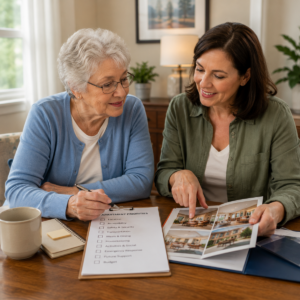
Services can make independent living apartments for seniors easier, but the service list must be read carefully. A community may offer meals, scheduled transportation, housekeeping, fitness classes, maintenance, activities, security features, or a front desk. It may not provide hands-on assistance with daily activities, medication administration, clinical monitoring, or around-the-clock response. Ask which services are included in the monthly charge, which cost extra, and which are unavailable.
Senior apartment meals and transportation need a practical test
Ask how many meals are included, whether the resident must buy a meal plan, how dietary needs are handled, and what happens when a resident is ill. For transportation, ask where it goes, how reservations work, whether there is a charge, what happens after hours, and whether mobility devices can be accommodated. A weekly shopping shuttle is different from a reliable ride to a specialist appointment.
Independent living apartmens for seniors housekeeping does not equal personal care
Housekeeping may cover common areas, scheduled cleaning, linens, or light apartment maintenance. It may not cover bathing, dressing, toileting, transfers, medication reminders, wound care, or meal assistance. If the person needs any of those tasks, ask whether an outside provider can enter the apartment and what coordination, insurance, scheduling, or visitor rules apply. Do not wait until a need becomes urgent to find out.
Independent living communities need an emergency plan beyond a call button
Ask how residents request help, who responds, whether staff are on site overnight, and when 911 is called. A pendant, pull cord, concierge desk, or monitored device may be helpful, but none replaces a personal emergency plan. Keep emergency contacts current, make sure the resident can use the chosen system, and decide who will be contacted if the person is taken to the hospital.
Independent living apartments for seniors costs, leases, and affordability
Costs can include monthly rent, utilities, meals, parking, transportation, housekeeping, a community or entrance fee, pet fees, storage, extra services, deposits, and renter’s insurance. A property with a lower advertised rent may cost more once mandatory meal plans or fees are included. Request a written estimate that separates recurring charges from one-time charges and identifies when rates can change.
Cost of independent living apartments for seniors is not one national number
Location, apartment size, market conditions, services, amenities, subsidies, and contract terms all affect cost. Avoid planning around an online average. Build a household budget using the property’s written estimate, expected personal expenses, transportation, health costs, home care if needed, and a reserve for a move or unexpected service change. Ask how much notice the property must give before a rate increase.
Independent living housing for seniors may include affordable options
HUD directs older adults to research needs, affordability, and housing assistance before choosing an apartment. Its resources include public housing, Housing Choice Vouchers, subsidized housing, and housing counseling. HUD’s Section 202 program supports certain affordable housing for eligible older adults; eligibility and availability depend on the property and local conditions. Contact the property manager or local housing authority directly rather than assuming a listing has an open unit or short waitlist.
Independent living apartments for seniors contracts deserve a second reading
Review the lease or residency agreement before signing. Identify the length of term, deposit refund rules, notice period, rate increases, service charges, guest and pet rules, move-out obligations, maintenance responsibilities, dispute process, and conditions that can lead to termination. A continuing care retirement community may have an entrance fee and a different contract structure from a rental apartment. If the consequences are significant or the document is unclear, obtain independent legal or financial advice.
Independent living apartments for seniors accessibility and everyday design
Accessibility is more than a ground-floor unit. Tour the full route: parking or transit stop to entry, lobby to apartment, apartment to laundry, dining room, trash, mail, elevator, and outdoor space. Test whether doors, lighting, flooring, bathroom layout, counters, storage, and emergency exits work for the person’s current mobility, hearing, vision, and dexterity.
Independent living apartments features should match real routines
Ask whether grab bars can be installed, whether shower seats are allowed, how maintenance requests are handled, and whether the apartment can accommodate a walker or other mobility aid. Check phone and internet reliability, package delivery, temperature control, laundry access, and the distance to frequently used amenities. A beautiful model unit can conceal a long route, narrow storage, or a bathroom that is hard to use.
Independent living community social life should be optional and accessible
Look at the actual calendar, not only the brochure. Are there small groups, quiet activities, outdoor options, transportation to local events, and opportunities that fit the person’s interests? Ask how a new resident learns about activities and whether family members can visit. Social opportunities can be valuable, but no resident should have to participate in order to receive respect or basic services.
Independent living for seniors tours: turn a visit into evidence
Touring is most useful when the family has a short set of priorities and records the answers. A leasing representative may explain amenities well, but a tour should also show how the building works on an ordinary day. Visit at a time that lets you see residents coming to a meal, using the elevator, waiting for transportation, or asking for help. Notice noise, lighting, odors, building access, upkeep, and how staff greet residents without expecting a perfect setting.
Independent living for seniors questions should cover the written agreement
Ask for the full lease, fee schedule, service menu, resident handbook, and current availability information. Read the material before deciding. Ask whether the quoted price applies to the exact unit, whether it expires, and whether a deposit holds the unit or is refundable. Ask what happens if move-in is delayed because of a hospital stay, a home sale, or a needed repair. These questions are practical, not adversarial.
Ask the property to identify any service that is mandatory. Some communities include meals, utilities, transportation, activities, or a community fee in the monthly charge; others sell them separately. Confirm the policy for guests, overnight visitors, pets, smoking, parking, storage, laundry, internet, and home modifications. A small restriction can have a large effect on daily life after a move.
Independent living apartments for seniors staff roles should be clear
Find out who handles a leaking sink, a locked-out resident, a missed shuttle, an emergency call, a wellness concern, and an after-hours building problem. A property manager, maintenance worker, concierge, service coordinator, security professional, home health clinician, and personal-care aide have different roles. A family should know which role is present, when, and what it can legally or contractually do. Do not interpret a friendly front desk as clinical supervision.
Independent living apartments for seniros neighborhood access matters too
Look beyond the property line. Check distance to groceries, pharmacy, clinicians, public transit, family, faith community, parks, and errands. Ask about sidewalks, lighting, traffic, weather access, and parking. For a person who no longer drives, the neighborhood can determine whether an apartment supports independence or creates new isolation. Try one ordinary errand from the building before signing if possible.
Independent living apartment move-in planning for seniors
Moving is both a housing task and a change in routine. Start with a move-in plan that protects the person’s energy and decisions. Decide which furniture, photographs, kitchen items, medications, mobility devices, documents, and phone equipment should arrive first. Label important belongings, update the address with the necessary organizations, and keep essential documents with the person or a trusted authorized representative rather than in a moving box.
Independent living move-in routines can reduce disorientation
Set up the bed, bathroom, phone, lights, favorite chair, and daily-use items before focusing on decoration. Put familiar objects where the person expects them. Show the route to the bathroom, laundry, dining area, mailbox, elevator, exits, and front desk. Write down the apartment number, building entry instructions, emergency contacts, and transportation schedule in a format the person can use.
Plan the first week with enough rest. Avoid scheduling every activity, medical appointment, utility visit, and family visit at once. A quiet routine gives the person time to learn the space. Check in after the first day, first week, and first month: What feels easier? What is confusing? Is any service not working as promised? What needs to be changed before frustration becomes a reason to move again?
Independent living apartment documents need secure access
Keep a current medication list, clinician and pharmacy contacts, insurance information, emergency contacts, and the location of advance-directive or authorization documents in a secure, agreed place. The property should not receive private medical or financial information it does not need. Similarly, a family member does not automatically have authority to open mail, access bank accounts, speak with clinicians, or make decisions. Confirm permissions before a crisis.
Independent living apartment support and family coordination
Independent living can work well with a small network of support. The person may continue to manage most tasks while family, friends, neighbors, community programs, or paid providers cover specific gaps. The network needs to be visible. A vague promise that relatives will “check in” does not tell anyone who takes the person to an appointment, notices a missed meal, changes a smoke-detector battery, or covers a caregiver’s vacation.
Independent living resident check-ins should respect privacy
Agree on the check-in routine with the resident. It may be a daily call, an in-person visit, a shared calendar, or a weekly meal. Explain what would trigger extra contact and who can receive updates. Do not turn ordinary independence into surveillance. If technology is considered, discuss what it collects, who can see it, how it can fail, and whether the person agrees to use it.
Independent living caregiver relief prevents fragile routines
If one person provides transportation, errands, paperwork, and frequent visits, identify a backup before that person becomes unavailable. Create a one-page handoff with contacts, apartment access instructions if authorized, mobility precautions, upcoming appointments, and the tasks that truly need coverage. A backup does not need every private detail to provide a safe afternoon or a ride; it needs the information relevant to the assignment.
Independent living apartment services should be reviewed after a change
Revisit the plan after a hospitalization, fall, medication change, new diagnosis, death of a caregiver, major financial change, or a pattern of missed tasks. Ask whether additional home support, a clinician assessment, a service coordinator, or a different setting is needed. Moving again can be disruptive, but ignoring a care mismatch is not a safer alternative. Early reassessment gives the person more voice in the next decision.
Independent living apartment financial and legal safeguards
A move can create new financial routines: rent payments, automatic charges, utility accounts, meal plans, renter’s insurance, transportation payments, and deposits. Before move-in, decide how each bill will be paid and who can see statements or receive a billing call. Use the resident’s legal authorizations and preferences rather than informal family assumptions. If someone helps with finances, keep the role limited, transparent, and documented.
Independent living resident budgeting should include move costs
Budgeting should account for movers, cleaning, deposits, utility setup, furnishings that fit the new space, application fees, pet costs, storage, and an overlap period when the old and new homes both have expenses. Ask whether there is a penalty for changing units, ending a lease early, or returning after a rehabilitation stay. A move budget that only lists monthly rent can leave the resident without a practical reserve.
Independent living apartment scams and pressure deserve caution
Be careful with high-pressure sales language, requests for a large immediate payment, unclear refund terms, unsolicited calls about benefits, or instructions to share account credentials. Verify a property through its address, management office, state or local housing information, and written agreement. A legitimate apartment may have limited availability, but a family should still be allowed to read documents, ask questions, and obtain independent advice before an irreversible payment.
Independent living apartment readiness check before signing
Before signing, ask the resident to describe a normal morning, afternoon, and evening in the proposed home. Where will medication be kept? How will breakfast happen? How will they get to an appointment? Who helps if the shower becomes difficult? Where is the closest exit? What happens after a fall? Who knows the lease terms? This exercise often reveals a missing detail more clearly than another brochure review.
If the answers depend on a service, a relative, or a device, verify that component directly. Confirm start dates, cost, permissions, and backup. A workable independent living apartment plan is not one with no support. It is one in which the resident, property, family, and outside services each understand their role and no essential task depends on an unspoken assumption.
Ask one last question about time: how quickly can a maintenance request, transportation change, billing question, or care concern be addressed? The answer may vary by day and season, but the property should be able to describe a realistic process. Record the phone number, office hours, and after-hours procedure. This information is especially important for a resident who has limited mobility, no nearby family, or a history of needing urgent repairs.
Once the resident moves in, keep the first month flexible. Review the apartment, services, costs, and social routine with the resident. A small change—moving a lamp, adding a grocery delivery routine, adjusting a shuttle reservation, or arranging a regular family call—can make the home more usable without sacrificing independence.
Keep the resident’s own definition of a good day at the center of this review. For one person, that may be cooking breakfast alone; for another, it may be reaching a friend, attending a class, or resting without worrying about a broken appliance. The apartment is a good fit when the arrangement supports those ordinary priorities safely and consistently.
Write down any changes made after move-in and review them together. This creates continuity when a family member, building manager, or service provider changes.
A simple written routine also gives the resident a clear way to say when help feels useful, when it feels intrusive, and when the arrangement should be reconsidered.
Review it regularly.
Independent living apartments for seniors when needs change
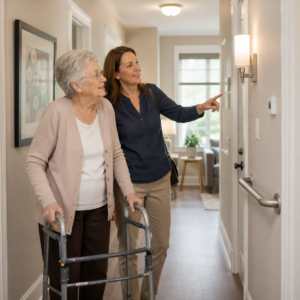
Independent living can remain a good fit when new support is arranged promptly. It may become the wrong setting when needs exceed what the apartment, family, and outside services can safely provide. Create a review plan before a crisis: who notices a change, who calls the clinician, which services can be added, and what alternative setting would be considered if the plan no longer works.
Independent living transition planning protects choice
Ask the property whether residents can hire outside home care, whether there are on-campus assisted living or memory care options, and whether a move is required when personal-care needs rise. A CCRC may offer multiple levels of care on one campus, but its contract and eligibility rules determine how transitions work. Do not treat a campus description as a guarantee of future availability or price.
Independent living family communication needs a backup plan
Choose a primary family contact and a backup. Keep the apartment’s main number, emergency procedure, clinician contacts, medication list, and authorization documents current. If a caregiver provides regular help, write down the days, duties, and relief plan. Independence is more durable when the resident is not dependent on one person silently handling every problem.
Independent living apartment warning signs need a timely response
Repeated falls, missed medicines, confusion about appliances, wandering, poor food intake, unexplained bills, frequent emergency calls, caregiver exhaustion, or inability to complete personal care can signal that the plan needs reassessment. One sign is not a diagnosis. It is a reason to speak with the person, document what has changed, and contact the appropriate clinician or support professional when needed.
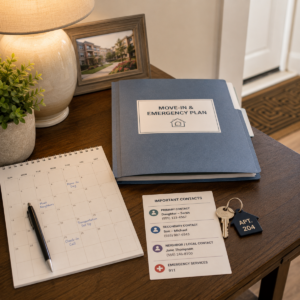
Independent living apartment visit checklist
- Confirm age, income, and occupancy rules.
- Get every fee, service, and rate-change term in writing.
- Walk the daily routes with the person’s mobility needs in mind.
- Ask which personal-care and medical tasks are not provided.
- Verify outside-care, guest, pet, and transportation policies.
- Review emergency response and family-contact procedures.
- Read the lease or residency agreement before paying a deposit.
- Set a review point for changes in needs after move-in.
Frequently asked questions about independent living apartments for seniors
What are independent living apartments for seniors?
They are housing options for older adults who generally live independently and may want age-focused amenities, lower maintenance, social opportunities, or optional services. The exact service model varies by property.
Do independent living apartments provide personal care?
Some may connect residents with services, but independent living does not automatically include help with bathing, dressing, toileting, medication, or clinical care. Verify the apartment’s actual scope and outside-care rules.
Does Medicare pay for independent living for seniors?
Medicare generally does not pay for long-term care or housing as a general service. Benefits, Medicaid, long-term care insurance, and local programs have separate rules. Verify the individual situation directly.
How much do independent living apartments for seniors cost?
Costs vary by location, apartment, services, subsidies, and contract. Use a written property estimate and a complete household budget rather than a national average.
Can a resident stay in independent living if they need more help?
It depends on the apartment policy, the person’s needs, available outside support, and any on-campus options. Ask before move-in what happens if personal-care or safety needs increase.
How do I find independent living apartments for seniors near me?
Use local housing resources, Area Agencies on Aging, the Eldercare Locator, HUD tools, and property tours. A separate location-specific guide should be used to compare individual options and verify availability.
Official sources for independent living apartment planning
- HUD: Information for Senior Citizens — used for housing research and counseling pathways.
- HUD: Multifamily program descriptions — used for Section 202 and service-enriched housing context.
- Medicare: Long-term care — used for Medicare’s long-term-care coverage boundary.
- Administration for Community Living: Finding help — used for the Eldercare Locator and community-support referral context.
- ACL: Continuing Care Retirement Communities — used for CCRC contract and transition context.