
However, choosing a Foldaway Wheelchair involves more than finding the smallest or lightest model available. The wheelchair must also provide appropriate seating, reliable braking, adequate user weight capacity, and a folding system that can be operated safely by the person responsible for handling the equipment.
Some folding wheelchairs are designed for independent manual propulsion, while others are intended for caregiver assistance or powered mobility. This complete guide explains how to choose a Foldaway Wheelchair, compare manual and electric models, understand wheelchair weight, evaluate travel compatibility, maintain folding mechanisms, and investigate Medicare coverage.
Safety note: A foldable design does not automatically establish safe handling or individual suitability. Wheelchair users and caregivers should follow manufacturer instructions, use appropriate equipment, and seek professional assessment when seating, transfers, powered controls, or physical support require specialized guidance.
Quick Answer: Is a Foldaway Wheelchair a Good Choice?
A Foldaway Wheelchair may be a practical option when someone needs suitable wheelchair support together with a frame that can be folded for transportation or storage. Its advantages depend on the intended user’s mobility needs, the available assistance, and how the equipment will be used throughout an ordinary day.
For example, a lightweight manual wheelchair may offer convenient vehicle storage for someone who receives caregiver assistance, while a folding power wheelchair may support independent powered movement when correctly fitted. Neither option is automatically superior because their operating and transportation requirements differ.
Before selecting a Foldaway Wheelchair, evaluate:
- Complete assembled wheelchair weight.
- Folded width, length, and height.
- User weight capacity.
- Seat width and depth.
- Backrest and cushion support.
- Manual or powered propulsion.
- Folding mechanism and locking points.
- Brake and wheel-lock condition.
- Removable wheels and footrests.
- Battery requirements for powered models.
- Doorway and home clearance.
- Vehicle loading arrangements.
- Manufacturer warranty.
- Repair and replacement parts.
- Medicare coverage when applicable.
The best Foldaway Wheelchair should meet the user’s daily mobility requirements while remaining practical to fold, transport, store, and maintain.
What Is a Foldaway Wheelchair?
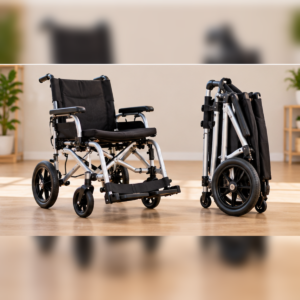
A Foldaway Wheelchair is a mobility device with a frame or manufacturer-approved mechanism that reduces its size for transportation or storage. Many manual models use cross-brace folding frames, while other products use different collapsible designs or removable components.
The term foldaway describes portability rather than one standardized weight or clinical equipment category. Wheelchairs carrying this description can differ substantially in seating support, braking systems, propulsion arrangements, and overall durability.
Before purchasing, review the manufacturer’s complete specifications for the exact model. A wheelchair advertised as compact may fold conveniently but still have dimensions or support limitations that make it unsuitable for a particular user.
Foldaway Wheelchair vs. Standard Wheelchair
Some standard manual wheelchairs already use folding frames, while others have rigid structures that rely on removable components for transportation. The distinction depends on the specific product rather than whether it is described as traditional or portable.
A Foldaway Wheelchair may prioritize compact storage, but its folding design should not compromise the seating, controls, or structural requirements of everyday use.
Foldaway Wheelchair vs. Transport Wheelchair
Transport wheelchairs generally require another person to push the equipment and frequently use smaller rear wheels. Some fold into compact configurations that are convenient for selected appointments and outings.
A self-propelled Foldaway Wheelchair typically uses larger rear wheels designed for user propulsion. The preferred category depends on the person’s independence, abilities, and available assistance.
Types of Foldaway Wheelchairs
Lightweight Manual Foldaway Wheelchair
A lightweight manual Foldaway Wheelchair often uses an aluminum or another weight-conscious frame with a collapsible design. Some models provide large rear wheels for self-propulsion, while others emphasize portability and caregiver-assisted handling.
The actual benefit depends on complete wheelchair weight, seat dimensions, wheel configuration, and transportation requirements. A lighter frame is not automatically easier to propel on every surface.
Folding Transport Wheelchair
A folding transport wheelchair may be useful for selected trips when a caregiver is available to provide propulsion. These chairs can have compact frames and removable or folding footrests.
However, a transport model is not necessarily suitable for someone who needs independent wheelchair mobility. Its intended function should be confirmed before purchasing.
Ultra-Lightweight Folding Wheelchair
Some ultra-lightweight wheelchairs feature specialized frames, adjustable components, and designs intended to support efficient manual propulsion. Their purpose may involve more than reducing storage weight.
Professional fitting can help determine whether the configuration provides suitable posture, balance, and wheelchair handling characteristics.
Foldable Electric Wheelchair
A foldable electric wheelchair uses batteries and motors to provide powered mobility while offering a collapsible frame. Certain models also include removable batteries or accessories that influence the weight and size of the transported configuration.
Powered wheelchairs require additional consideration of battery performance, charging arrangements, joystick accessibility, servicing, and transportation rules.
Heavy-Duty Folding Wheelchair
Some folding wheelchairs offer higher user weight capacities and different seating dimensions. These models may use more substantial frames or components, increasing the overall equipment weight.
A suitable choice should be based on the manufacturer’s specified capacity and the person’s individual seating and mobility requirements.
Foldaway Wheelchair Comparison Table
| Wheelchair type | Main advantage | Important consideration |
|---|---|---|
| Lightweight manual | Portable manual mobility | User fit and propulsion |
| Folding transport | Compact assisted transportation | Caregiver availability |
| Ultra-lightweight folding | Specialized weight-conscious design | Adjustment and stability |
| Folding electric | Powered movement with folding frame | Batteries and total weight |
| Heavy-duty folding | Selected higher-capacity models | Size and handling |
| Rigid wheelchair with removable wheels | Alternative portable configuration | Storage and reassembly |
No category is universally the best. Comparing the actual Foldaway Wheelchair specifications and the user’s intended activities is more useful than relying on a product label.
How to Choose the Right Foldaway Wheelchair
1. Identify the Main Mobility Purpose
Determine whether the Foldaway Wheelchair will be used daily at home, during community outings, for medical appointments, or primarily while traveling. Each purpose places different demands on seating, propulsion, folding, and transportation.
A chair appropriate for occasional assisted transportation may not meet the needs of someone who uses a wheelchair throughout most of the day.
2. Evaluate the User’s Seating Needs
Seat width, depth, back support, cushions, armrests, and foot positioning should be appropriate for the person using the wheelchair. Portability should not take priority over essential positioning requirements.
Someone with complex seating or pressure-management needs may require a professional assessment before selecting a folding model.
3. Compare Complete Wheelchair Weight
Ask whether the advertised measurement includes wheels, cushions, footrests, batteries, and other necessary components. Manufacturer weight descriptions can refer to different configurations.
The complete operating weight provides a more meaningful comparison than an isolated frame measurement.
4. Check the Folding Mechanism
A Foldaway Wheelchair should have a reliable, manufacturer-approved folding system. The person handling it must understand the equipment’s locking arrangements and operating instructions.
Broken locks, bent frame sections, or uncertain folding behavior require qualified inspection before use.
5. Measure the Intended Environment
Compare the wheelchair’s unfolded dimensions with home entrances, corridors, elevators, and other important areas. A chair that fits inside a vehicle when folded may still be too wide for a bathroom doorway.
6. Review Transportation Requirements
Determine who will prepare, lift, store, and restore the wheelchair during travel. The equipment should match the actual vehicle and the abilities of the person responsible for handling it.
7. Verify Manufacturer Support
Confirm warranty conditions, replacement parts, maintenance instructions, and the availability of qualified service providers for the exact model.
Foldaway Wheelchair: Professional Fitting and Initial Evaluation
A suitable wheelchair selection process should begin with the user rather than the folding mechanism. A qualified mobility professional can help evaluate seat dimensions, posture, foot support, wheelchair control, and the intended daily activities.
The complete wheelchair should be assessed in its normal operating configuration. A comfortable showroom trial should also be considered alongside the actual home environment and transportation requirements.

Foldaway Wheelchair Weight: What Should You Compare?
Weight is one of the main reasons people consider foldable wheelchair designs. However, advertisements may describe the frame alone, the complete wheelchair, or a reduced configuration used during transportation.
Total Assembled Weight
Total assembled weight should describe the wheelchair with a specified set of components installed. Buyers should determine whether the published figure includes the parts needed for ordinary use.
Frame Weight
Frame weight may exclude detachable wheels, seating components, and other accessories. It provides limited information about what a caregiver actually needs to transport.
Transport Weight
Transport weight may represent the wheelchair after selected components are removed according to manufacturer instructions. This can help evaluate individual lifting tasks.
Heaviest Removable Component
The weight of the largest or heaviest remaining piece can affect vehicle loading. Its shape, dimensions, and suitable handling points also matter.
Why Lower Weight Is Not Always Better
A lighter wheelchair may offer transportation advantages, but comfort, seating support, handling, durability, and control remain important. The best configuration balances these requirements instead of prioritizing one number.
Foldaway Wheelchair Dimensions: Folded vs. Open
Folded dimensions determine how much storage space a wheelchair requires, while unfolded dimensions determine where it can be used. Both measurements are essential because compact storage does not guarantee accessibility during normal operation.
Folded Width and Height
A wheelchair may collapse side to side or use another design to reduce its dimensions. The resulting measurements should be checked using the exact manufacturer configuration.
Doorway Clearance
Measure the narrowest entrances in the intended environment and compare them with the wheelchair’s complete operating width.
Turning Space
A chair may pass through a doorway but still lack enough room for an appropriate turn. Bathrooms, kitchens, elevators, and narrow corridors require particular attention.
Vehicle Storage
Compare the folded wheelchair with the actual cargo opening and usable interior space. Removable components may require additional room.
Folding Mechanisms and Wheelchair Frame Safety
The folding system is a critical part of a Foldaway Wheelchair because it affects both transportation and normal use. Depending on the design, the mechanism may include cross-braces, hinges, locks, pins, or other manufacturer-approved components.
Before relying on the chair, confirm that the frame opens and secures correctly according to its instructions. A partially secured frame can behave differently from a properly assembled wheelchair and should not be used.
Unusual resistance, damaged hardware, missing components, or unexpected frame movement should be assessed by a qualified technician. Avoid forcing components or making improvised structural modifications.
Footrests, Armrests, and Removable Components
Removable wheelchair components may reduce storage dimensions, but they also create additional setup requirements. Some Foldaway Wheelchair models have detachable footrests, armrests, rear wheels, or specialized accessories.
The user or caregiver should understand which components may be removed and how they must be reattached. Any component required for appropriate seating or safe operation should be restored before the wheelchair is used.
Accessories also contribute to the complete equipment weight and may affect folding dimensions. Include these parts when evaluating portability.
Foldaway Wheelchair for Vehicle Transportation
A Foldaway Wheelchair may simplify storage in selected vehicles, but its portability depends on dimensions, equipment weight, and the available loading arrangement. Not every folding wheelchair fits into every automobile.
Vehicle Cargo Compatibility
Measure the cargo opening and compare it with the chair’s folded configuration. A narrow trunk entrance may create difficulties even when the wheelchair fits inside the vehicle.
Caregiver Handling
The person responsible for transportation should evaluate the complete handling requirements. A product advertised as lightweight may still be awkward or too heavy to lift comfortably.
Removable Components
Approved parts may be stored separately, provided they are handled according to manufacturer instructions and correctly restored before normal use.
Equipment Securement
A folded wheelchair should be stored appropriately during travel. Transporting an empty wheelchair as cargo is different from transporting someone while seated in a wheelchair.
Foldaway Wheelchair: Real-World Transportation Evaluation
A useful portability assessment should include the complete routine, from the wheelchair being prepared for transportation to its return to normal operating condition. The actual vehicle, available assistance, and storage arrangement should be considered together.

Manual vs. Powered Foldaway Wheelchair
Manual and powered folding wheelchairs offer different advantages, and the most appropriate option depends on the user rather than the folding mechanism.
Manual Foldaway Wheelchair
Manual wheelchairs avoid the motors and traction batteries found in powered models. This may provide transportation advantages, although the equipment still requires suitable propulsion or caregiver assistance.
Electric Foldaway Wheelchair
Powered folding wheelchairs allow movement through manufacturer-approved controls and battery-powered motors. Their portability must be evaluated alongside charging, service support, and control accessibility.
Which Is More Convenient?
Convenience depends on the individual’s mobility needs and the responsibilities of those providing assistance. A manual model may be simpler to store, while a powered model may better support selected users who need motorized propulsion.
Foldaway Wheelchair Battery Life and Charging
Battery considerations apply to powered folding wheelchairs rather than ordinary manual models. Battery capacity, weight, replacement availability, and manufacturer specifications affect everyday practicality.
Driving Range
Published range is an estimate based on particular testing conditions. Terrain, user load, battery age, temperature, and operating patterns may change actual performance.
Battery Removal
Some electric folding wheelchairs have manufacturer-approved removable batteries. The battery configuration should be understood before transportation or storage.
Safe Charging
Follow the official charging instructions and use compatible equipment. Charging should take place in a suitable location without blocking essential household routes.
Battery Replacement
Ask whether compatible replacement batteries remain available and obtain information about expected costs and professional servicing.
Can You Take a Foldaway Wheelchair on an Airplane?
Many folding wheelchairs can be transported by air under applicable airline accessibility and equipment-handling requirements. However, the folding design does not automatically mean the wheelchair can be stored in an aircraft cabin.
Manual Foldaway Wheelchairs
For manual wheelchairs, provide the airline with the folded dimensions, overall weight, and relevant handling information. Available storage and handling arrangements vary by aircraft and airline.
Powered Wheelchairs and Battery Requirements
Electric wheelchairs require additional information about battery chemistry, attachment, protection, and removal. FAA requirements differ between properly protected batteries and configurations that require removal.
Lithium-Ion Batteries
Certain lithium-ion batteries that must be removed from mobility devices are subject to a 300-watt-hour limit and specific cabin transportation rules. The exact conditions depend on the device and battery configuration.
Airline Communication
Contact the airline before travel to discuss the specific wheelchair, battery information, storage arrangements, and any additional procedures. Keep manufacturer documentation accessible.
Foldaway Wheelchair for Everyday Indoor and Outdoor Mobility
Portability does not establish suitability for every surface or environment. A Foldaway Wheelchair should be evaluated using the real routes where the person expects to travel.
Home Mobility
Doorways, furniture, narrow corridors, and thresholds may affect normal wheelchair movement. Clearance measurements should reflect the chair in its operating configuration.
Sidewalks and Paved Routes
Some folding wheelchairs work on appropriate smooth outdoor paths, although damaged pavement and abrupt transitions may affect maneuverability.
Ramps and Slopes
Follow manufacturer limitations and professional guidance when evaluating inclines. A chair with a compact folding frame does not automatically have the same handling characteristics as other wheelchair designs.
Weather Conditions
Rain, slippery surfaces, and other environmental conditions may affect wheels, brakes, traction, and powered electrical components.
Used and Refurbished Foldaway Wheelchairs
A used Foldaway Wheelchair may reduce the purchase price, but its condition must be evaluated carefully. Folding hardware, wheel assemblies, braking systems, upholstery, and frame joints may have experienced wear during previous use.
Folding Frame Condition
Inspect visible damage, deformation, corrosion, and unusual movement. Structural concerns should receive qualified professional assessment before the chair is used.
Wheels and Brakes
A used chair should have appropriate wheels and reliable wheel locks or braking components. Worn or damaged parts may require replacement.
Seating Condition
A wheelchair that was suitable for a previous owner may not meet another person’s seating and positioning needs.
Powered Components
Used electric folding wheelchairs introduce additional questions about battery condition, controls, motors, chargers, and service history.
Refurbishment Documentation
Request written information explaining which components were inspected, replaced, or serviced. The description refurbished does not guarantee one universal standard.
Foldaway Wheelchair Maintenance and Repairs
Folding wheelchairs require maintenance according to the exact manufacturer’s guidance. Regular inspection can help identify components that are worn, damaged, or no longer functioning as intended.
Frame and Folding Hinges
Check the folding mechanism for visible damage, loose parts, or abnormal operation. A defective hinge or structural lock requires professional attention.
Wheels and Casters
Inspect tire condition, caster wear, and changes in wheel movement. Unexpected resistance or noise may indicate a service issue.
Brakes and Wheel Locks
Braking and locking components should operate as the manufacturer specifies. Damaged mechanisms should not be ignored.
Footrests and Armrests
Confirm that detachable components remain secure and suitable for the wheelchair.
Powered Systems
Electric foldaway wheelchairs may require additional checks involving controls, batteries, motors, and electrical connections.
Replacement Parts
Use compatible replacement parts and qualified service providers familiar with the exact equipment model.
Foldaway Wheelchair: Professional Equipment Inspection
A professional inspection can help verify the condition of the folding mechanism, wheels, locks, and associated components before routine use. This is especially useful after transportation damage, unusual mechanical behavior, or the purchase of used equipment.
Does Medicare Cover a Foldaway Wheelchair?
Medicare Part B may cover medically necessary wheelchairs as durable medical equipment when the applicable eligibility, documentation, and supplier requirements are satisfied. However, a wheelchair does not automatically qualify for coverage simply because it is foldable, portable, or lightweight.
Medical Necessity
Medicare generally evaluates qualifying mobility limitations affecting essential activities within the home. The treating provider must document why the prescribed wheelchair is appropriate.
Manual Wheelchair Eligibility
A qualifying manual wheelchair may be covered when the applicable requirements are met. Certain specialized configurations may involve additional criteria.
Powered Wheelchair Requirements
Power wheelchairs require specific medical evaluation and documentation. Certain categories also require prior authorization.
Medicare-Enrolled Suppliers
The durable medical equipment supplier must meet applicable Medicare requirements. Verify enrollment, participation, and assignment before purchasing.
Medicare Costs
Under Original Medicare, after meeting the Part B deductible, the beneficiary generally pays 20% of the Medicare-approved amount when the supplier accepts assignment.
Medicare Advantage
Medicare Advantage plans may have different networks, authorization processes, and member cost-sharing arrangements. Confirm the exact plan’s requirements.
Verify Before Ordering
A folding wheelchair sold online is not automatically eligible for Medicare reimbursement. The correct coverage pathway should be established before payment.
Foldaway Wheelchair Costs and Total Ownership
Wheelchair affordability involves more than the original selling price. Accessories, fitting, transportation, repairs, replacement parts, and long-term servicing can influence the total cost.
| Expense | What to verify |
|---|---|
| Wheelchair purchase | Exact model and included parts |
| Seating support | Cushion and positioning accessories |
| Delivery | Shipping, assembly, and setup |
| Professional fitting | Evaluation and adjustments |
| Folding mechanism | Replacement and repair support |
| Wheels and brakes | Maintenance and compatible parts |
| Powered batteries | Replacement and charging expenses |
| Vehicle transportation | Storage or loading equipment |
| Warranty | Included parts and exclusions |
| Insurance | Applicable coverage and member costs |
| Backup mobility | Alternative equipment during repairs |
The best value depends on the wheelchair’s suitability, quality, service availability, and realistic ownership expenses. A low advertised price may offer limited savings if essential components are missing or repairs are difficult to arrange.
Foldaway Wheelchair Warranty and Return Policies
Warranty coverage varies by manufacturer and retailer. Different components, including frames, batteries, upholstery, and folding hardware, may have different terms.
Review return conditions before purchasing, especially when equipment is customized or has been assembled. Medical equipment retailers may restrict returns or charge fees under their written policies.
Keep the original purchase records, equipment identification, warranty documentation, and repair information in an accessible location.
When a Nonfolding Wheelchair May Be Better
A Foldaway Wheelchair is not necessarily the best choice for someone who requires specialized seating, particular frame geometry, or advanced positioning features. Some rigid or rehabilitation wheelchair configurations may better address those needs.
A nonfolding chair may also offer a different balance of adjustability and handling for selected users. However, these potential advantages depend on the actual model and the individual’s requirements.
The correct choice should reflect the person’s mobility goals, posture, transportation arrangements, and professional recommendations rather than prioritizing compact storage alone.
Common Foldaway Wheelchair Buying Mistakes
Choosing Only by Folded Size
A compact wheelchair may still be unsuitable because of seating, support, or home accessibility limitations.
Comparing Different Weight Measurements
Frame weight, complete weight, and transport weight describe different equipment configurations. Compare equivalent specifications.
Ignoring Folding Locks
A wheelchair with damaged or unreliable frame locks should not be used until appropriately inspected and serviced.
Forgetting Removable Parts
Detached wheels, cushions, and footrests still require transportation space and correct reattachment.
Overlooking Caregiver Handling
A lightweight chair may remain difficult to lift or position inside a vehicle.
Assuming Folding Means Airline Approval
Battery rules, airline procedures, and aircraft storage arrangements must be checked separately.
Buying Without Service Support
Replacement parts and qualified repairs should be available for the exact equipment.
Assuming Medicare Covers Portability
Folding convenience alone does not establish Medicare medical necessity or reimbursement eligibility.
Foldaway Wheelchair: Final Buying Checklist
Before selecting a Foldaway Wheelchair, confirm:
- Exact manufacturer and model.
- Complete operating weight.
- Folded and unfolded dimensions.
- Weight of removable components.
- Appropriate user weight capacity.
- Suitable seat width and depth.
- Back and cushion support.
- Intended manual or powered operation.
- Reliable folding locks and hinges.
- Correct footrest and armrest attachments.
- Functional brakes and wheel locks.
- Suitable home accessibility.
- Appropriate outdoor routes.
- Vehicle loading compatibility.
- Battery requirements when applicable.
- Airline handling requirements for travel.
- Availability of replacement parts.
- Warranty and return conditions.
- Medicare eligibility when relevant.
- Professional fitting when needed.
- Realistic backup mobility arrangements.
The final decision should be based on actual equipment, individual needs, and everyday conditions. A wheelchair that performs well in a showroom should still be evaluated against the routes and activities for which it is intended.
Frequently Asked Questions About Foldaway Wheelchair
What Is a Foldaway Wheelchair?
A Foldaway Wheelchair is a wheelchair designed to collapse or fold into a smaller configuration for storage and transportation. Its exact weight, size, seating, and folding mechanism depend on the model.
Are Foldaway Wheelchairs Good for Seniors?
They may be suitable for older adults when seating, controls, propulsion, transportation, and other individual requirements are satisfied.
How Much Does a Foldaway Wheelchair Weigh?
Weight varies by frame material, wheelchair type, batteries, wheels, cushions, and accessories. Verify the complete manufacturer’s specifications.
Are Foldaway Wheelchairs Easy to Transport?
Some models provide practical transportation advantages, but actual handling depends on folded dimensions, total weight, vehicle access, and available assistance.
Can a Foldaway Wheelchair Fit in a Car?
Many models fit into selected vehicle storage areas. The exact folded wheelchair and vehicle cargo dimensions must be compared.
What Is the Difference Between a Folding and Transport Wheelchair?
Folding describes the wheelchair’s storage design, while transport generally refers to a chair intended for attendant-assisted propulsion.
Can You Buy a Folding Electric Wheelchair?
Yes. Some electric wheelchairs include collapsible frames and removable batteries, but they have different weight, charging, and service requirements from manual models.
Can a Foldaway Wheelchair Be Used Outdoors?
Certain models can be used on suitable outdoor routes. Surface conditions, wheelchair design, and individual capabilities matter.
Can You Take a Foldaway Wheelchair on an Airplane?
Many folding wheelchairs can travel by air under applicable airline procedures. Powered models also require appropriate battery documentation and handling.
Does Medicare Cover a Foldaway Wheelchair?
Medicare Part B may cover qualifying medically necessary wheelchairs. Folding capability alone does not establish coverage.
Can You Buy a Used Foldaway Wheelchair?
Used models may be considered after appropriate inspection, fitting, and verification of the folding mechanism, wheels, brakes, and other components.
How Do You Maintain a Folding Wheelchair?
Follow manufacturer instructions for frame inspection, folding locks, wheels, brakes, seating components, cleaning, and qualified servicing.
Are Foldaway Wheelchairs Better Than Rigid Wheelchairs?
Neither design is universally better. The correct choice depends on seating, propulsion, transportation, support, and individual mobility needs.
What Should I Check Before Buying?
Review the wheelchair’s fit, actual dimensions, complete weight, folding mechanism, controls, transportation needs, service support, and warranty.
Final Thoughts on Foldaway Wheelchair
A Foldaway Wheelchair can provide useful portability and storage advantages when its design matches the user’s seating needs, mobility requirements, and transportation arrangements. However, the smallest folded size or lowest advertised weight does not automatically establish the best wheelchair choice.
Comparing manual and powered models, checking folding mechanisms, reviewing complete equipment weight, evaluating real routes, and confirming long-term service availability can help buyers make informed decisions.
The best Foldaway Wheelchair is one that offers appropriate support, operates reliably, and can be folded, transported, stored, and maintained in a way that suits the person’s actual daily life.
Neutral foldaway wheelchair decision table
| Decision area | What can go wrong | Evidence to verify |
|---|---|---|
| Person or rider | Wrong fit, control, posture, or participation assumption | Measurements and supervised assessment |
| Environment or route | Clearance, surface, slope, parking, or transfer failure | Complete route test and measurements |
| Provider or seller | Missing service, repair, documentation, or return support | Written terms and named contact |
| Fallback | Delay, malfunction, fatigue, weather, or coverage denial | Backup route and escalation plan |
Official sources and limitations
These sources were consulted for the foldaway wheelchair research map. They establish general U.S. safety, access, equipment, or coverage boundaries; they do not endorse a product, converter, seller, provider, ranking, or individual outcome.
- Medicare.gov — Wheelchairs and scooters — Coverage, medical-necessity, supplier, and written-order boundaries.
- Medicare.gov — DME coverage — General DME and supplier framework.
- MedlinePlus — Mobility aids — Fit, professional assessment, and mobility-aid context.
- ADA — Mobility devices — Access context; not a product or clinical approval.
- NHTSA — Adapted vehicles — Vehicle-loading and mobility-equipment safety questions.
- FAA — Wheelchairs and mobility devices — Battery and air-travel planning; airline rules may be stricter.