
Choosing caregiver training programs requires more than comparing course prices, certificates, or online reviews. The right training should reflect the caregiver’s actual responsibilities, the needs of the person receiving care, and any professional or legal requirements. A family member helping with meals may need different instruction from a paid caregiver assisting with specialized equipment or clinician-directed tasks.
This comprehensive guide explains how caregiver training programs work, which skills they should teach, how online and in-person courses compare, and what to consider before enrolling. It also covers free caregiver training opportunities, certification requirements, supervised practice, Medicare coverage, caregiver safety, and continuing education.
Safety note: Completing caregiver training does not automatically authorize someone to provide medical treatment, administer medications, perform complex transfers, or undertake tasks requiring professional qualifications. Follow the person’s care plan, applicable regulations, and instructions from qualified healthcare professionals. If a task exceeds the caregiver’s training or creates an immediate safety concern, stop and seek appropriate assistance.
Quick Answer: What Should Caregiver Training Programs Teach?
Effective caregiver training programs teach participants how to provide appropriate everyday assistance, recognize changes in a person’s condition, communicate respectfully, and understand the limits of their responsibilities. Training should connect classroom lessons with practical activities and clearly identify when professional help is necessary.
The strongest programs also include opportunities to practice relevant skills, receive feedback, and demonstrate understanding. Watching videos or passing an online quiz may support learning, but neither automatically establishes competence in hands-on caregiving tasks.
A practical caregiver training curriculum may include:
- Person-centered care, dignity, privacy, and consent.
- Assistance with everyday activities such as meals, dressing, and grooming.
- Communication with older adults and people experiencing cognitive changes.
- Home safety and basic fall-risk awareness.
- Infection prevention and appropriate hygiene practices.
- Mobility support and equipment awareness.
- Medication-related responsibilities and reporting limitations.
- Recognizing important changes in health or behavior.
- Emergency communication and response procedures.
- Caregiver documentation and coordination.
- Caregiver stress management and respite planning.
- Supervised practice and competency assessment.
The most suitable caregiver training program is not necessarily the longest or most expensive. It is the one that prepares the learner for the responsibilities they will actually perform while emphasizing safety, dignity, and appropriate professional support.
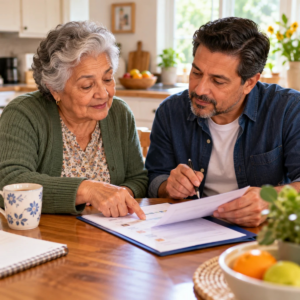
What Are Caregiver Training Programs?
Caregiver training programs are structured educational opportunities that teach people how to support individuals who need assistance with daily living, health-related routines, or certain personal care activities. Training can be offered by healthcare providers, home care agencies, community organizations, educational institutions, and caregiver support programs.
The format varies according to the program’s purpose. Some courses provide general education through online lessons or classroom sessions, while others include supervised demonstrations, workplace orientation, or instruction tailored to a particular person’s care plan.
Family Caregiver Training Programs
Family caregiver training programs are designed for relatives and other unpaid caregivers who help someone with everyday activities or an established care routine. These programs may address communication, household organization, personal care, caregiver stress, and the safe use of appropriate support equipment.
For example, an adult child caring for an aging parent may need guidance about coordinating medical appointments, maintaining a medication list, communicating changes, or organizing reliable assistance. Instruction from the person’s healthcare team may be necessary when specific clinical needs are involved.
Professional Caregiver Training Programs
Professional caregiver training programs may prepare individuals for roles such as personal care aide, home care aide, or other direct support positions. Requirements vary by job title, employer, setting, and state.
Depending on the position, training may include workplace policies, documentation, privacy, infection prevention, emergency procedures, and supervised skills assessments. Some roles require additional state-recognized education or competency evaluations.
Before purchasing a course, prospective workers should confirm that the training meets the requirements of the employer and jurisdiction where they intend to work.
General Education Versus Task-Specific Training
General caregiver education introduces broad concepts such as dignity, communication, aging, and recognizing safety concerns. This knowledge provides a useful foundation for family and professional caregivers.
Task-specific training focuses on a particular activity, device, or person. For example, a clinician may provide individualized instructions related to mobility equipment or another treatment-plan activity.
A general course should not be treated as a substitute for professional assessment or direct instruction when a task carries significant safety risks.
Why Caregiver Training Should Start With the Person’s Needs
Successful caregiver training programs begin by identifying the responsibilities the learner will perform. A generic curriculum may provide valuable knowledge, but its usefulness depends on how closely it matches the person’s abilities, routines, and support requirements.
Begin by considering everyday activities, communication needs, mobility, medication-related responsibilities, social preferences, and situations that make the caregiver uncertain.
Review Daily Care Responsibilities
Write down the activities that require assistance, including dressing, meals, bathing, appointments, transportation, and household routines.
Identify which tasks the person manages independently and which need verbal reminders, preparation, physical assistance, or professional services.
This helps caregivers focus training on specific challenges without taking away unnecessary independence.
Identify the Limits of the Caregiver’s Role
Caregivers should distinguish ordinary personal assistance from activities requiring clinical instruction, authorization, or professional credentials.
For example, reminding someone about a prescribed medication differs from administering it, deciding whether it should be skipped, or changing its prescribed amount.
The rules governing these responsibilities vary. A qualified professional or employer should explain what the caregiver is permitted and trained to do.
Connect Training With an Individualized Care Plan
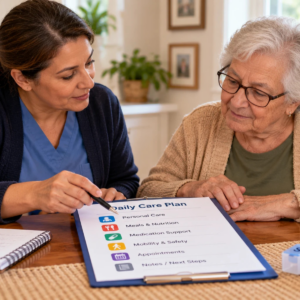
A care plan describes the person’s goals, preferences, daily routines, relevant precautions, support needs, and professional instructions.
Caregiver training is more effective when it explains how to apply general knowledge to this plan.
Keep important instructions current and accessible to the people authorized to provide care. When healthcare directions change, verify the updated plan rather than relying on an older routine.
Essential Skills Taught in Caregiver Training Programs
Caregiver training programs may cover a broad range of subjects, but the most useful curriculum emphasizes skills that can be applied responsibly in ordinary caregiving situations.
Training should identify observable learning goals and provide clear explanations of when caregivers must request additional guidance.
Person-Centered Communication and Respect
Good caregiving begins with listening, asking permission, and recognizing individual preferences.
Training should address how hearing changes, visual limitations, fatigue, discomfort, language differences, and cognitive conditions may affect communication.
Caregivers should learn to explain assistance before providing it and offer manageable choices whenever possible.
A person’s dignity and privacy should remain central even when their care needs become more complex.
Assistance With Activities of Daily Living
Activities of daily living may include bathing, dressing, grooming, eating, toileting, and moving through the home.
Caregiver training should explain how to support participation rather than automatically completing every activity for the person.
Practical lessons may address preparing supplies, organizing accessible spaces, maintaining privacy, and recognizing when hands-on assistance requires additional instruction.
Understanding Aging and Cognitive Changes
Some caregiver training programs introduce common changes associated with aging and conditions affecting memory, attention, or communication.
The goal is to help caregivers respond respectfully while recognizing that a diagnosis does not determine every individual’s abilities.
Training should encourage factual observation and professional evaluation when meaningful changes occur.
Basic Home Safety and Fall Prevention
Caregivers may be taught to recognize common environmental hazards such as poor lighting, blocked walking routes, loose rugs, and inaccessible household items.
However, recognizing hazards is different from prescribing specialized mobility equipment or performing physical transfers.
Home modifications and mobility concerns should be referred to appropriate professionals when individualized assessment is necessary.
Infection Prevention and Hygiene
Infection prevention education may include hand hygiene, appropriate cleaning, use of protective equipment when required, and safe handling of everyday care supplies.
Training should reflect the caregiver’s duties and applicable healthcare or workplace instructions.
Caregivers need to understand which concerns can be addressed through routine care and which require clinical evaluation or authorized procedures.
Medication Support and Documentation
Medication-related training should identify the tasks the caregiver is authorized to perform.
The curriculum may cover maintaining accurate lists, understanding reminder routines, recognizing discrepancies, and reporting questions to a pharmacist, clinician, or supervisor.
Caregivers should not independently change medication instructions or assume that a reminder application confirms a dose was taken.
Recognizing Changes That Require Professional Attention
Caregiver education should help learners distinguish ordinary observations from situations requiring prompt clinical evaluation.
Examples include unexpected changes in mobility, communication, appetite, pain, skin condition, or ability to complete familiar activities.
Caregivers should record what they observe and follow the established reporting process instead of attempting a diagnosis.
Safe Mobility and Transfer Training for Caregivers
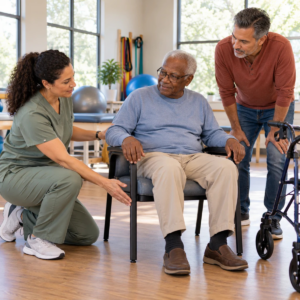
Mobility assistance is one of the areas where hands-on caregiver education may be especially important. Supporting another person’s movement can involve physical strain and equipment-related risks for both the caregiver and care recipient.
Caregiver training programs should emphasize that every mobility task must match the person’s assessed abilities and the equipment specified in their care plan.
Why Professional Assessment Matters
A qualified healthcare professional may need to determine whether the person requires assistance, specialized equipment, or a different approach to movement.
A general caregiver training video cannot establish the appropriate method for someone with complex mobility limitations.
Caregivers should understand these boundaries before attempting tasks involving significant physical support.
Learning Through Supervised Demonstrations
Hands-on instruction may allow learners to observe how qualified professionals prepare equipment, communicate with the person, and assess whether the planned activity is appropriate.
Training should include opportunities to ask questions and receive feedback.
A learner should not be considered competent simply because they watched a demonstration.
Understanding Mobility Equipment
Caregiver training may introduce walkers, wheelchairs, transfer equipment, and other assistive devices.
However, equipment selection and operation must follow the person’s individualized requirements and the manufacturer’s instructions.
Improvised lifting or using equipment outside its approved purpose can create serious hazards.
When to Stop and Request Help
Caregivers should pause when equipment malfunctions, the person’s condition changes unexpectedly, or the task exceeds their training.
Professional support is more appropriate than attempting to complete a difficult transfer through additional force.
Online Caregiver Training Programs Versus In-Person Classes
Online caregiver training programs can offer flexibility for family members and paid workers who need to study around employment, transportation, or caregiving responsibilities.
In-person instruction may be more appropriate when the learner needs direct feedback, specialized equipment training, or supervised practice.
The best format depends on the material being taught and the responsibilities the learner is preparing to perform.
Benefits of Online Caregiver Training
Online courses may offer recorded lessons, downloadable resources, interactive quizzes, and flexible schedules.
These features can be valuable for introductory education, communication skills, caregiver boundaries, and routine organization.
However, online instruction alone may not establish the practical competence required for higher-risk hands-on activities.
Benefits of In-Person Training
In-person instruction allows learners to ask questions, receive immediate feedback, and observe demonstrations.
It may be particularly useful for learning how to follow individualized care plans and use specialized equipment under qualified supervision.
Some training programs combine classroom lessons with practical skill assessments.
Blended Learning Options
Blended caregiver training programs combine online education with scheduled practical sessions.
For example, a learner may study communication and home safety concepts online before attending a supervised training session.
This approach can make learning more flexible while preserving opportunities for direct instruction.
Choosing the Appropriate Training Format
| Training need | Useful format | Important consideration |
|---|---|---|
| General caregiving orientation | Online or classroom | Understand role boundaries |
| Communication and dignity | Online, classroom, or coached practice | Apply learning to individual preferences |
| Household organization | Online or individual coaching | Adapt to the actual home |
| Mobility equipment | Qualified in-person instruction | Requires person-specific assessment |
| Infection prevention | Structured education and task-specific practice | Follow applicable procedures |
| Medication-related support | Authorized professional instruction | Respect role and legal limits |
| Complex personal care tasks | Supervised individualized training | Verify competence before independent care |
A comprehensive curriculum should help caregivers understand not only what to do but also when an activity requires professional assistance.
How to Evaluate Caregiver Training Programs Before Enrolling
Not every caregiving course offers the same learning outcomes. A professional-looking website or certificate does not establish that the program meets state requirements or prepares learners for their intended tasks.
Before enrolling, request information about the curriculum, instructors, training format, assessments, and recognition.
Review the Curriculum
Look for clear descriptions of the topics covered and the skills learners are expected to demonstrate.
The program should identify which lessons are informational and which require practical training.
Be cautious about courses claiming to teach every caregiving skill without acknowledging important safety or professional boundaries.
Verify Instructor Qualifications
Ask who developed the training and who teaches practical or clinical topics.
Instruction related to specialized healthcare tasks should be provided or supervised by appropriately qualified professionals.
General caregiver educators may provide valuable knowledge without being authorized to teach every clinical procedure.
Understand Competency Assessments
Some courses measure knowledge through quizzes, while others include practical demonstrations and instructor evaluations.
A quiz can assess whether the learner remembers information. It cannot independently confirm that someone can safely perform a physical caregiving task.
Where applicable, ask whether the program provides documented skills assessment.
Confirm Certification and Recognition
A caregiver training certificate may demonstrate course completion, but it does not automatically establish professional certification, licensure, or employment eligibility.
Requirements can include additional education, examinations, background checks, clinical practice, or supervised work.
Ask the relevant employer or licensing authority which qualifications are required for the intended role.
Questions to Ask a Training Provider
Before registering, ask:
- Is the course designed for family caregivers or paid professionals?
- What specific skills and responsibilities does it cover?
- Are instructors appropriately qualified?
- Does training include practical demonstrations?
- How is competence assessed?
- Does the course provide a completion certificate?
- Is the credential recognized by the intended employer or state?
- Are additional examinations or supervised hours required?
- What are the total tuition and material costs?
- Are accessible learning options available?
- Can learners receive follow-up instruction?
- Which activities remain outside the caregiver’s permitted role?
Request written information about important requirements before making a financial commitment.
Caregiver Training Certification and State Requirements
Professional caregiver training requirements vary by state, employer, care setting, and job title.
A personal care aide, home health aide, and certified nursing assistant may be subject to different qualifications. The phrase certified caregiver should therefore be interpreted carefully.
What Does a Caregiver Training Certificate Mean?
A completion certificate generally indicates that the learner participated in or completed a specific educational program.
It does not necessarily demonstrate professional licensing or permission to provide regulated care.
Verify what the document represents and whether the intended employer recognizes it.
State-Approved Caregiver Training Programs
Some programs advertise state-approved caregiver education.
Families and prospective workers should ask which agency approved the program, which job title is covered, and whether recognition remains current.
An approval issued in one state may not satisfy requirements elsewhere.
Caregiver Training for Employment
Individuals preparing for paid caregiving work should begin by reviewing the intended employer’s requirements.
Important considerations may include orientation, supervised practice, competency evaluation, background screening, and continuing education.
A course marketed nationally should not be assumed to qualify someone for every caregiving position.
Free Caregiver Training Programs and Community Resources
Free caregiver training programs can provide valuable educational opportunities for family members who need guidance but cannot commit to expensive courses.
Resources may be available through healthcare organizations, aging services agencies, nonprofit programs, hospitals, and community education providers.
However, free training does not necessarily include certification or hands-on professional instruction.
Area Agencies on Aging
Local Area Agencies on Aging can help families identify caregiver support services and resources.
Depending on location, these may include education, counseling, respite referrals, support groups, or access to community programs.
Contact the appropriate local office to verify what is currently available.
National Family Caregiver Support Program
The National Family Caregiver Support Program provides federal funding to states and territories for services that support family and informal caregivers.
Funded services may include caregiver information, assistance accessing resources, counseling, support groups, training, respite, and certain supplemental services.
Eligibility, availability, and costs vary by location. The national program description does not guarantee that every community offers the same classes.
Hospitals and Rehabilitation Services
Hospitals, rehabilitation professionals, and healthcare teams may provide instruction related to a person’s discharge or treatment plan.
This education may include how to understand care instructions, recognize changes, communicate concerns, or use prescribed equipment.
Ask the care team which instruction is necessary before the person returns home.
Nonprofit and Community Education
Some nonprofit organizations provide caregiver workshops, webinars, and educational materials.
Before registering, check the provider’s credentials, program content, privacy practices, and whether additional charges apply.
Free introductory education should not be mistaken for authorization to perform specialized healthcare tasks.
Does Medicare Cover Caregiver Training Programs?
Medicare Part B may cover certain caregiver training services when specific requirements are met.
According to Medicare, a healthcare provider must determine that the training is appropriate for the patient’s treatment plan, and the patient must need caregiver assistance to meet treatment goals.
Eligible caregiver training may address daily activities, communication, mobility assistance, medication-related support, infection prevention, and other relevant treatment-plan skills.
Medicare Caregiver Training Eligibility
Covered caregiver training must relate to the patient’s healthcare goals and the assistance needed for the treatment plan.
General employment courses and independent caregiver certification programs are not automatically covered.
Families should discuss eligibility with the patient’s healthcare provider.
Can Caregivers Receive Training Without the Patient Present?
Medicare allows qualifying caregiver training to occur in individual or group sessions without the patient present when the applicable requirements are met.
However, certain person-specific instruction may still require additional assessment or supervised practice.
Confirm the appropriate arrangement with the provider.
Medicare Caregiver Training Costs
Under Original Medicare, after the Part B deductible is met, beneficiaries generally pay 20% of the Medicare-approved amount for covered caregiver training services.
Actual costs depend on provider participation, other insurance, and the applicable coverage conditions.
Ask the healthcare provider and Medicare about the expected cost before scheduling. Medicare Advantage arrangements may have different plan-specific rules.
What Medicare Coverage Does Not Guarantee
Medicare coverage does not automatically establish that any caregiving course is eligible or that a caregiver is qualified to provide regulated services.
Employment credentials, clinical authorization, and training coverage are separate issues.
Families should verify each requirement independently.
Caregiver Training Programs for Dementia and Memory Care
Dementia-related caregiver training may help families understand changes in communication, memory, orientation, daily activities, and behavior.
Effective instruction focuses on person-centered support rather than expecting every individual with dementia to have identical abilities or needs.
Communication and Familiar Routines
Caregivers may benefit from learning how to use simple language, allow response time, and maintain familiar routines.
The person’s preferences and comfort should guide support whenever possible.
Avoid unnecessarily correcting or confronting someone when a calmer approach would meet the same care need.
Recognizing Changes and Unmet Needs
Changes in activity, communication, appetite, sleep, or emotional responses may indicate discomfort or another unmet need.
Training should encourage caregivers to document observable changes and seek appropriate assessment rather than guessing at the cause.
Safety and Supervision
Some individuals may require additional support related to wandering concerns, mobility, medication organization, or household safety.
The correct response depends on individual assessment and should respect privacy and dignity.
Caregiver education should identify when more specialized professional support is necessary.
Privacy, Consent, and Ethical Caregiving
Caregiver training programs should treat dignity, privacy, and consent as essential parts of responsible care.
Caregivers may encounter personal health information, household documents, financial records, and sensitive family circumstances.
Training should explain which information may be shared, with whom, and through what approved methods.
Respecting Consent
Explain assistance before beginning and ask for the person’s participation whenever possible.
A person’s preferences may change depending on discomfort, fatigue, timing, or the caregiver providing help.
Care plans should account for these circumstances rather than treating consent as a one-time formality.
Protecting Confidential Information
Keep care records, photographs, schedules, and contact information appropriately secure.
Avoid sharing unnecessary personal details through public social media posts or informal messaging groups.
Paid caregivers should follow applicable workplace policies and legal privacy requirements.
Professional Boundaries
Caregivers should understand the responsibilities of their role and maintain appropriate relationships with care recipients and families.
Training should address conflicts of interest, financial boundaries, respectful communication, and procedures for reporting concerning situations.
These expectations protect the older adult and help caregivers work more consistently.
Caregiver Training, Emergency Preparedness, and Reporting
Emergency preparedness is an important part of caregiver training programs because caregivers may be the first to observe an unexpected change.
Training should explain how to access emergency contacts, communicate relevant information, and recognize when immediate professional assistance is required.
Know the Emergency Plan
Caregivers should know where to find the person’s address, emergency contacts, relevant care instructions, and medical information that authorized responders may need.
The emergency plan should reflect the individual’s circumstances and be reviewed when care arrangements change.
Recognize When to Escalate Concerns
Training should identify warning signs that require reporting or emergency evaluation.
Caregivers should not attempt to manage serious medical symptoms independently or delay emergency assistance while searching for course materials.
Document Observations Clearly
A useful report describes what occurred, when it occurred, what changed, and which actions were taken.
Avoid assumptions about diagnoses or motivations.
Clear information supports communication between family members, supervisors, and healthcare professionals.
Continuing Education and Caregiver Competency Reviews
Caregiver training should not end when the initial course is completed.
Health conditions, equipment, family responsibilities, and workplace requirements can change. A caregiver may need additional instruction even after successfully performing a task for a long period.
When Refresher Training Is Necessary
Review relevant skills following hospitalization, a new diagnosis, medication changes, a fall, different equipment, or changes in mobility.
Caregivers should also request instruction when they become uncertain about an existing task.
Document Training and Feedback
Professional caregivers may need records of completed instruction, competency assessments, and required continuing education.
Family caregivers may benefit from keeping a simpler record of important professional instructions and the date they were received.
Review the Actual Care Routine
Training is most useful when it continues to match everyday needs.
Ask whether the caregiver can complete permitted tasks appropriately, recognize important changes, and communicate concerns.
When the arrangement no longer works, obtain suitable assessment or additional support.
Caregiver Training Costs and Enrollment Considerations
The cost of caregiver training programs depends on the provider, curriculum, learning format, certification requirements, and amount of supervised practice.
Free courses may offer useful introductory education, while more specialized programs can involve tuition, materials, skills assessments, or other charges.
Compare Total Training Costs
Ask whether tuition includes course materials, practical sessions, examinations, certificates, and any required background checks.
Also consider transportation, technology requirements, and additional training needed for employment.
Verify Financial Assistance
Some caregiver support programs, employers, or community organizations may offer funded or subsidized education.
Eligibility and coverage vary, so confirm current terms with the organization providing assistance.
Avoid Unverified Certification Claims
Be cautious when a provider guarantees nationwide certification, universal employment eligibility, or permission to perform specialized clinical tasks after completing a short course.
Request written evidence of the specific credential and the authority recognizing it.
Consider Time and Accessibility
Training should be accessible to the actual learner.
Review language options, captions, large-print materials, scheduling flexibility, transportation, and opportunities to ask questions.
A course that cannot be completed or understood reliably may not be a good investment regardless of price.
Questions to Ask Before Choosing Caregiver Training Programs
A practical evaluation should focus on learning outcomes and how the course prepares participants for their intended responsibilities.
Before enrolling, consider:
- Who is the intended learner?
- What caregiver responsibilities will the course address?
- Is the curriculum current and clearly documented?
- Who teaches and supervises the instruction?
- Which tasks require hands-on practice?
- How are skills assessed?
- What professional boundaries are explained?
- Does the course offer a certificate, and what does it represent?
- Is the program recognized for the intended job or state?
- What are the total costs?
- Are accessible learning arrangements offered?
- Can learners request additional instruction afterward?
- Does the program address emergency communication?
- Will the learner receive written guidance for future reference?
The answers should be specific enough to compare different programs fairly.
Common Caregiver Training Programs Mistakes
Choosing a Course Based Only on Its Certificate
A certificate may demonstrate participation without confirming practical competence or professional authorization.
Verify its purpose and relevance before enrolling.
Assuming Online Videos Replace Hands-On Practice
Video lessons can explain concepts and demonstrate equipment, but they cannot necessarily establish safe performance of person-specific tasks.
Seek supervised instruction when the activity requires direct assessment.
Ignoring State and Employer Requirements
Caregiver employment rules may vary by location and job title.
A course accepted in one setting may not qualify someone for another position.
Training Without Reviewing the Care Plan
Generic lessons may not account for the person’s actual mobility, communication, health, or equipment requirements.
Connect instruction with the current individualized care plan whenever possible.
Overlooking Privacy and Consent
Caregiving involves access to personal spaces and sensitive information.
Training should clearly explain appropriate consent, authorized communication, and privacy safeguards.
Skipping Continuing Education
A previously learned skill may no longer be suitable after a meaningful health or equipment change.
Request updated guidance rather than repeating an old method without reassessment.
Practical Caregiver Training Programs Checklist
Use this checklist before choosing a course or beginning a new caregiving responsibility.
-
Identify whether the learner is a family caregiver or paid worker.
-
Document the actual caregiving tasks and responsibilities.
-
Review the person’s current care plan.
-
Confirm any professional or state training requirements.
-
Verify instructor qualifications.
-
Identify which skills require supervised practice.
-
Understand the difference between completion and certification.
-
Review privacy, consent, and communication responsibilities.
-
Learn when to stop and seek professional help.
-
Confirm the emergency response and reporting process.
-
Check course costs, accessibility, and learning materials.
-
Schedule additional instruction when needs change.
A caregiver training program should leave participants with clear expectations, useful skills, and an understanding of when additional professional support is required.
Frequently Asked Questions About Caregiver Training Programs
What Are Caregiver Training Programs?
Caregiver training programs provide structured instruction for people who assist older adults or individuals with daily living and care-related activities. Topics may include communication, personal care, safety, hygiene, and professional responsibilities.
Are There Free Caregiver Training Programs?
Yes. Certain community organizations, caregiver support programs, healthcare providers, and nonprofit groups offer free caregiver education.
Availability, enrollment requirements, and the amount of practical instruction vary.
Can I Complete Caregiver Training Online?
Many general caregiver education courses are available online.
However, specialized caregiving activities may require supervised, in-person instruction or competency assessment.
Do Caregiver Training Programs Provide Certification?
Some programs provide completion certificates, while others are connected to specific professional qualification pathways.
A completion certificate does not automatically establish licensure or employment eligibility.
What Is a State-Approved Caregiver Training Program?
A state-approved program has recognition from a specified state authority for a defined purpose.
The relevant state, job title, approval scope, and current status should be verified directly.
How Long Does Caregiver Training Take?
Training duration varies according to the curriculum, required skills, employment rules, and level of practical instruction.
There is no single course length that qualifies someone for every caregiving responsibility.
Does Medicare Pay for Caregiver Training?
Medicare Part B may cover certain caregiver training services when they are connected to an eligible patient’s treatment plan and other coverage conditions are satisfied.
General employment courses are not automatically covered.
Can Family Caregivers Receive Training Without Their Relative Present?
In some circumstances, yes. Medicare allows qualifying individual or group caregiver training without the patient present when relevant requirements are met.
Other programs may have different rules.
What Skills Are Most Important for Caregivers?
Important skills include respectful communication, understanding role limits, supporting daily activities, recognizing changes, documenting concerns, and knowing when to seek professional assistance.
Specific responsibilities may require additional practical training.
Are Caregiver Training Certificates Valid in Every State?
Not necessarily. Certification and employment requirements differ by state, job title, and care setting.
Confirm recognition before paying for a course.
How Often Should Caregiver Training Be Updated?
Review training after significant changes in health, mobility, equipment, clinical instructions, or job responsibilities.
Employers may also require scheduled continuing education or competency reviews.
Can Caregiver Training Replace a Healthcare Professional?
No. Caregiver education can support safe and responsible assistance, but it does not replace clinical assessment, professional treatment, or tasks requiring licensed expertise.
Conclusion: Choosing the Right Caregiver Training Programs
Caregiver training programs can help family caregivers and paid care workers develop the knowledge, confidence, and practical skills needed to provide more consistent everyday support. The most effective programs combine person-centered communication, safety awareness, appropriate instruction, supervised practice, and clear boundaries around professional responsibilities.
Rather than selecting a course based solely on its price or certificate, evaluate the responsibilities the caregiver will actually perform. Verify instructor qualifications, state or employer requirements, opportunities for practical assessment, and the availability of follow-up education.
A strong caregiver training program should prepare learners to support independence, protect dignity, recognize important changes, and request professional help whenever necessary. With suitable education and continuing guidance, caregivers can contribute to safer, more respectful, and more sustainable care arrangements.
Caregiver training program sources and verification
- Medicare: Caregiver training services — current coverage conditions, eligible training topics, provider types, and cost-sharing context.
- Administration for Community Living: National Family Caregiver Support Program — federally funded caregiver training and support context; local services vary.
- OSHA: Home Healthcare — home-care hazards, including ergonomic risks from moving clients and safety-training context.
- CDC: Core Infection Prevention and Control Practices — job-specific education, competency, refresher training, and caregiver education principles.