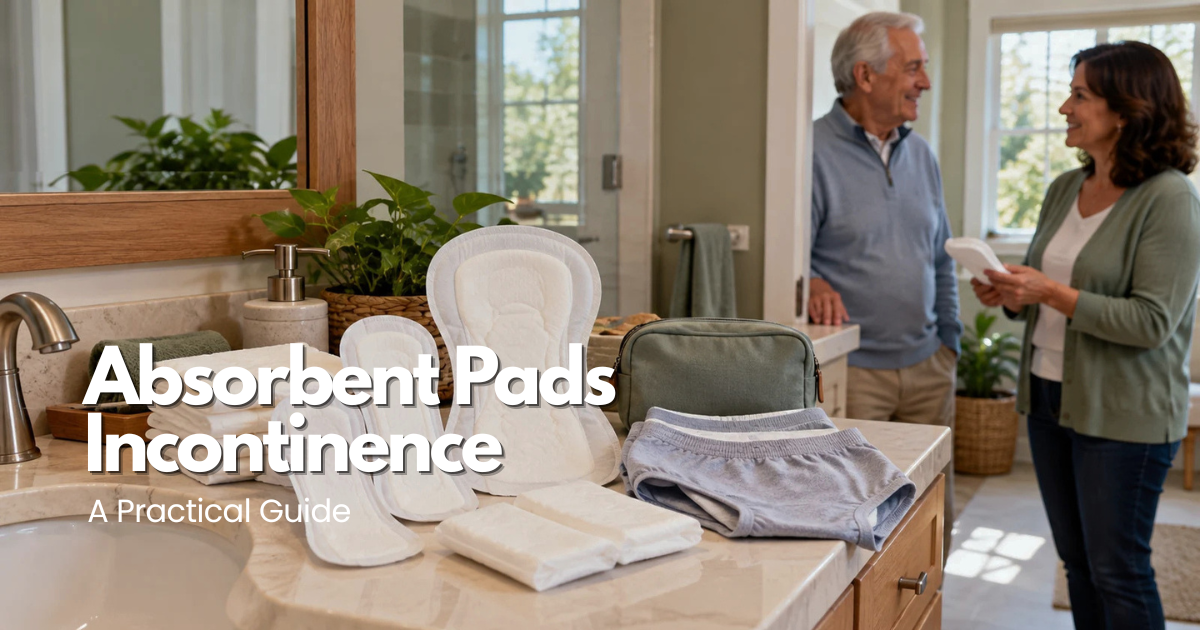
Finding the right Absorbent Pads Incontinence products requires understanding absorbency levels, body fit, skin sensitivity, mobility, and daily changing needs. Some people need lightweight liners for occasional drips, while others benefit from larger pads, protective underwear, or specialized overnight products. The ideal choice depends on the person’s actual leakage pattern rather than package claims alone.
This comprehensive Absorbent Pads Incontinence guide explains how absorbent products work, how to compare protection levels, how to select a comfortable fit, and how to establish a hygienic changing routine. It also covers skin protection, nighttime leakage, caregiver assistance, product costs, disposal, and situations that require professional medical advice.
Safety note: Absorbent pads manage leakage but do not diagnose or treat urinary or bowel incontinence. New or worsening leakage, pain, burning during urination, fever, blood in urine or stool, significant skin irritation, or sudden changes in bladder or bowel control require appropriate medical evaluation.
Quick Answer: How Should Absorbent Pads Incontinence Products Be Used?
Absorbent Pads Incontinence products should fit securely inside appropriate underwear, remain flat against the body, and provide sufficient coverage for the person’s usual leakage pattern. Most adhesive-backed incontinence pads attach to underwear, with the absorbent surface facing the body and the moisture-resistant backing facing outward.
Choosing the right Absorbent Pads Incontinence protection starts with matching absorbency to actual needs. A product should remain comfortable during sitting, walking, and ordinary movement without bunching, rubbing, or leaking at the edges.
For a practical routine:
- Choose absorbent pads designed specifically for urinary leakage.
- Match absorbency and coverage to the person’s usual leakage pattern.
- Wear close-fitting underwear that holds the product securely.
- Position the pad flat without folding its edges.
- Check comfort during sitting, standing, and walking.
- Change wet or soiled pads promptly.
- Clean and dry the skin gently during changes.
- Keep spare products and disposal supplies accessible.
- Maintain regular bathroom access and appropriate toileting assistance.
- Seek medical advice for persistent irritation or new symptoms.
A successful Absorbent Pads Incontinence routine combines proper product selection, timely changes, suitable hygiene practices, and respect for personal independence.
What Absorbent Pads Incontinence Products Can and Cannot Do
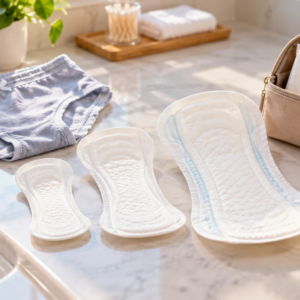
Absorbent Pads Incontinence products are protective inserts designed to absorb urinary leakage before it reaches clothing. Most disposable pads include a soft surface layer, an absorbent core, and a moisture-resistant backing that helps contain liquid.
These components work together to manage leakage, but their performance depends on the product’s design, absorbency, fit, and changing frequency. Even a highly absorbent pad may leak when it shifts inside underwear or is not suitable for the amount of urine being released.
How Absorbent Incontinence Pads Work
Many disposable pads contain absorbent materials designed to draw moisture away from the surface and retain it inside the product.
The effectiveness of Absorbent Pads Incontinence protection depends on the quantity and speed of leakage, pad positioning, and the person’s movement. A product that works during light daily activities may not provide the same protection during longer outings or overnight use.
What Incontinence Pads Cannot Treat
Absorbent Pads Incontinence products help manage symptoms but cannot correct the underlying cause of urinary leakage.
Bladder control difficulties may be associated with different health conditions, mobility limitations, or temporary changes. A healthcare professional can evaluate symptoms and recommend appropriate treatment or management strategies.
Using absorbent protection should not delay medical evaluation when symptoms are new, painful, or worsening.
Urinary Leakage Versus Bowel Incontinence
Most standard urinary incontinence pads are primarily designed to absorb urine.
Some protective products may help manage minor bowel leakage, but stool requires prompt cleaning and careful attention to skin health. Repeated bowel leakage, diarrhea, or significant changes in bowel control should be discussed with a healthcare professional.
An Absorbent Pads Incontinence product intended for urine should not automatically be considered appropriate for every bowel-control problem.
Different Types of Absorbent Pads Incontinence Products
Absorbent Pads Incontinence products are available in several designs, including lightweight liners, standard absorbent pads, overnight pads, protective underwear, briefs, and larger underpads.
Understanding these categories helps people choose products according to their actual needs instead of relying exclusively on absorbency labels.
Light Absorbent Incontinence Liners
Lightweight liners are typically smaller and thinner than standard incontinence pads.
They may be suitable for occasional small drips when the person wants discreet protection with minimal bulk. However, they may not provide enough coverage for sudden or heavier leakage.
Standard Absorbent Pads for Incontinence
Standard Absorbent Pads Incontinence products provide a range of shapes, lengths, and absorbency levels.
These products usually fit inside ordinary underwear and may have an adhesive strip to help maintain positioning. They can be useful for daily activities when they match the person’s leakage needs.
Maximum Absorbency Incontinence Pads
Higher-absorbency pads are designed for people who require additional liquid capacity or coverage.
However, selecting maximum absorbency does not guarantee improved comfort. A product that is too large may shift, bunch, or create unnecessary friction.
Choose higher protection when the actual leakage pattern requires it.
Overnight Absorbent Pads Incontinence Products
Overnight pads may include longer absorbent areas or designs intended to provide additional coverage during sleep.
Some people also use appropriate mattress or bedding protection.
An overnight product should still be changed when necessary, and persistent nighttime leakage should be discussed with a healthcare professional.
Protective Underwear and Adult Briefs
Protective underwear contains built-in absorbent material and is worn like ordinary underwear.
Tab-style briefs may be more appropriate for certain people requiring assistance with changes.
These products are different from individual absorbent pads, and the right choice depends on leakage, mobility, personal preferences, and available caregiver support.
Disposable and Washable Underpads
Underpads are designed to protect beds, chairs, or other surfaces.
They may provide additional protection alongside body-worn Absorbent Pads Incontinence products but do not replace appropriate personal protection.
Follow the manufacturer’s use and cleaning instructions.
How to Choose the Right Absorbency Level
Choosing appropriate Absorbent Pads Incontinence protection requires understanding how frequently leakage occurs and how much liquid is typically involved.
A higher absorbency rating is not automatically better for every person. Comfort, changing frequency, mobility, and product positioning are equally important.
Light Urinary Leakage
For occasional small drips, a thin liner may provide suitable protection.
Check whether it stays in position during ordinary activities and whether the person feels comfortable wearing it.
If leakage regularly reaches clothing, consider another absorbency category.
Moderate Daytime Leakage
Moderate leakage may require a longer pad or an absorbent core with greater capacity.
The product should provide appropriate coverage while sitting, walking, and using the bathroom.
Absorbent Pads Incontinence products for moderate leakage should not create excessive bulk or restrict ordinary movement.
Heavy or Unpredictable Leakage
Heavier leakage may exceed the protection offered by ordinary inserts.
A higher-absorbency product, protective underwear, or another continence management arrangement may be appropriate.
New or rapidly worsening leakage requires medical evaluation rather than simply switching to larger pads.
Nighttime Leakage
Overnight leakage may require longer coverage, appropriate bedding protection, and a safe bathroom routine.
Consider the person’s sleeping position, mobility, skin condition, and access to assistance.
An overnight pad does not remove the need for appropriate hygiene and changing.
Absorbent Pads Incontinence Comparison Table
| Leakage pattern | Recommended product category to consider | Important consideration |
|---|---|---|
| Occasional small drips | Lightweight incontinence liners | Minimal bulk and secure fit |
| Light daytime leakage | Standard absorbent pads | Comfort during movement |
| Moderate leakage | Moderate-absorbency pads | Suitable coverage and changing frequency |
| Heavier leakage | Higher-absorbency pads or protective underwear | Capacity and proper positioning |
| Overnight leakage | Overnight pads and bedding protection | Sleeping position and skin comfort |
| Limited mobility | Accessible pads or appropriate briefs | Safe, respectful changes |
| Furniture protection | Disposable or washable underpads | Stable placement and correct use |
Absorbency categories vary across manufacturers. The most reliable Absorbent Pads Incontinence comparison considers actual leakage protection, fit, comfort, and ease of changing.
Why Fit Matters When Choosing Absorbent Pads Incontinence Products
Proper fit is essential because absorbent material must remain positioned where leakage occurs.
A poorly fitted pad may leak even when its absorbency rating appears adequate.
Choose Suitable Underwear
Close-fitting underwear helps keep absorbent inserts in place.
The garment should hold the pad securely without creating excessive pressure.
Loose underwear may allow shifting, while overly tight clothing can cause rubbing or discomfort.
Position Absorbent Pads Correctly
Follow the manufacturer’s placement instructions.
Most adhesive-backed pads are designed to attach to underwear rather than directly to the skin.
Smooth the product flat and ensure that its absorbent section covers the appropriate area.
Check Comfort During Everyday Movement
Test the fit while sitting, standing, walking, and using the bathroom.
Ask whether the pad folds, rubs, creates pressure, or shifts when clothing is adjusted.
A comfortable Absorbent Pads Incontinence routine depends on proper product shape as much as absorbency.
Avoid Wearing Multiple Pads Together
Stacking ordinary absorbent pads is generally not recommended.
Multiple layers may interfere with moisture transfer, create gaps, increase friction, and reduce comfort.
If one product does not provide sufficient protection, consider a different product category instead of layering ordinary pads.
Testing Absorbent Pads Incontinence Products Before Buying in Bulk
A short product trial can help determine whether the chosen incontinence pad matches the person’s needs.
Buying large quantities before testing a product may result in unnecessary expense and unused supplies.
Start With a Small Package
Choose an appropriate absorbency category and use the product during ordinary daily activities.
Evaluate how it fits, whether it leaks, and how easily it can be changed.
Observe Leakage Patterns
Keep a brief private record of when leakage occurs, its general amount, and whether the product remains comfortable.
This information may reveal whether a different size, absorbency, or changing routine is necessary.
Identify Product Problems
If Absorbent Pads Incontinence protection fails repeatedly, consider whether the issue involves insufficient absorbency, incorrect placement, loose underwear, delayed changing, or new symptoms.
Make adjustments according to the actual problem instead of automatically selecting the largest available pad.
Evaluate Skin Comfort
Pay attention to redness, itching, friction, and discomfort.
A product should not cause persistent irritation during ordinary use.
Seek medical advice when skin problems continue.

How to Put On and Change Absorbent Pads Safely
Proper changing techniques help Absorbent Pads Incontinence products remain comfortable while supporting hygiene and skin protection.
The exact routine depends on the product design, the person’s mobility, and whether caregiver assistance is needed.
Prepare a Clean Changing Area
Wash hands and prepare clean pads, underwear when necessary, disposal bags, and suitable hygiene supplies.
Choose a private space with adequate lighting and convenient access to essential items.
Remove the Used Pad Carefully
Remove the used product gently according to its design.
Avoid pulling wet material across sensitive skin or rushing movements that require balance.
When a caregiver assists, the person’s privacy and mobility needs should remain central.
Clean and Dry the Skin
Gently clean the affected area using appropriate products.
Dry the skin by patting rather than vigorous rubbing.
Avoid harsh cleansers or strongly fragranced products that may irritate sensitive skin.
Position a Clean Pad
Place the new product inside the underwear according to its instructions.
Make sure the absorbent surface faces the body and the backing is positioned correctly.
Smooth the pad before adjusting clothing.
Check Fit and Comfort
Before completing the change, confirm that the product lies flat and remains comfortable.
A proper Absorbent Pads Incontinence changing routine should not create pinching, friction, or unnecessary pressure.
Wash hands after handling used materials.
How Often Should Absorbent Pads Incontinence Products Be Changed?
Absorbent Pads Incontinence products should be changed promptly when they become wet, soiled, or uncomfortable.
The appropriate frequency depends on leakage amount, absorbency, skin condition, activity, and individual care needs.
Avoid Waiting for a Fixed Changing Time
A predictable routine can help organize supplies, but it should not become a reason to leave a saturated product in place.
Check for wetness and discomfort according to the person’s needs.
Change Promptly After Bowel Leakage
Stool exposure requires prompt hygiene and skin protection.
Remove the soiled product, clean the area gently, and follow the person’s established care plan.
Consider Skin Sensitivity
People with fragile or irritated skin may require additional attention.
Persistent redness or discomfort should be evaluated rather than ignored.
Review Changing Needs Regularly
Illness, medication changes, mobility difficulties, and worsening leakage may affect how often products need to be replaced.
A suitable Absorbent Pads Incontinence schedule should remain flexible.
Protecting Sensitive Skin With Absorbent Pads Incontinence Products
Skin health is an essential consideration for people who use absorbent products regularly.
Prolonged moisture, friction, stool exposure, and inappropriate cleansing can contribute to irritation.
Why Moisture Management Matters
Absorbent pads can help contain leakage, but no product guarantees that skin will remain completely dry.
Wet or soiled products should be replaced promptly.
Use Gentle Cleansing Methods
Clean the skin carefully and avoid unnecessary scrubbing.
Use products appropriate to the person’s needs.
Strong fragrances and irritating ingredients may be unsuitable for sensitive skin.
Consider Appropriate Skin Barriers
Some individuals may benefit from clinician-recommended skin protection products.
Use these according to professional instructions.
Avoid applying unfamiliar creams or excessive products that could create additional discomfort.
Recognize Skin Irritation
Persistent redness, itching, soreness, open areas, or unusual drainage may indicate a problem requiring medical attention.
An Absorbent Pads Incontinence product change alone may not resolve the underlying cause.
Common Problems With Absorbent Pads Incontinence Protection
Leaks, odor, bunching, and discomfort are signs that the product or routine may need adjustment.
A practical response focuses on identifying the cause.
Leakage Around Pad Edges
Edge leakage may occur when the product is too small, poorly positioned, or unsuitable for the amount of urine released.
Check placement, underwear fit, and changing frequency.
Pads That Shift During Movement
Loose underwear or an unsuitable pad shape may cause shifting.
Try a product designed to remain stable during the person’s usual activities.
Unpleasant Odor
Odor may indicate delayed changes, wet clothing, inadequate cleaning, or another health concern.
Persistent unusual odor accompanied by other symptoms should be discussed with a healthcare professional.
Rubbing and Discomfort
Repeated friction can occur when pads fold or fit poorly.
A comfortable Absorbent Pads Incontinence product should remain positioned without persistent rubbing.
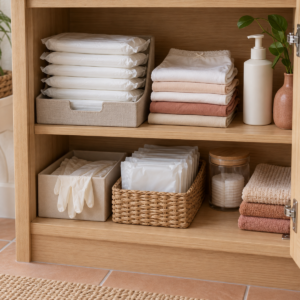
Organizing an Absorbent Pads Incontinence Change Station
A well-organized changing area can simplify everyday incontinence management.
Supplies should be easy to locate, appropriately stored, and accessible to the person or authorized caregiver.
Using Absorbent Pads Incontinence Products During Travel
Travel and outings may require additional preparation because restrooms and changing facilities can be less accessible.
A discreet supply kit can help people maintain ordinary activities more comfortably.
Prepare a Travel Kit
Carry spare absorbent pads, disposal bags, suitable hygiene supplies, and clean underwear when helpful.
Keep everything in a private and easy-to-access pouch.
Identify Restrooms Before Traveling
Consider bathroom availability and accessibility during longer trips.
Allow sufficient time for comfortable changes.
Choose Comfortable Clothing
Select clothing that allows appropriate bathroom access.
Avoid garments that make changing unnecessarily difficult.
Maintain Privacy
Use suitable changing facilities whenever possible.
An Absorbent Pads Incontinence travel routine should prioritize comfort and dignity.
Overnight Absorbent Pads Incontinence Planning
Nighttime leakage may require different product coverage and bathroom arrangements.
An appropriate plan should reflect the person’s sleep habits, mobility, skin condition, and usual leakage pattern.
Choose Overnight Protection
Consider pads designed for nighttime use when appropriate.
A longer absorbent section may provide useful coverage for some sleeping positions.
Protect Bedding
Suitable disposable or washable underpads may help protect mattresses.
Follow their instructions and ensure that the bedding remains comfortable.
Maintain Safe Bathroom Access
Keep nighttime routes clear and appropriately illuminated.
People with balance or mobility concerns may require additional support.
Monitor Skin Comfort
Wetness and irritation should not be ignored simply because an overnight product is being used.
Persistent nighttime problems require reassessment.
Supporting Independence With Absorbent Pads Incontinence Products
An effective incontinence management plan should support the person’s ability to participate in daily decisions.
Many older adults can continue selecting products, organizing supplies, and managing changes independently or with limited assistance.
Respect Product Preferences
Ask about comfort, absorbency, thickness, and the person’s preferred routine.
Personal preferences matter when selecting suitable protection.
Make Supplies Accessible
Store products at a practical height and in consistent locations.
Easy-to-open packaging or organized shelves may benefit users with dexterity or vision limitations.
Encourage Appropriate Independence
Provide assistance only where it is needed.
The goal is to support the person’s abilities rather than automatically take over every task.
Protect Dignity
Discuss continence needs privately and use respectful language.
A good Absorbent Pads Incontinence routine should reduce practical difficulties without creating unnecessary embarrassment.
Caregiver Assistance With Absorbent Pads Incontinence Changes
Family caregivers and professional helpers may assist with preparing supplies, changing products, or maintaining appropriate hygiene.
Care should be adapted to the person’s needs and preferences.
Ask Permission Before Providing Assistance
Explain the proposed help and invite participation whenever possible.
Respect personal privacy during changes.
Follow Appropriate Mobility Instructions
Avoid transfers or repositioning beyond the caregiver’s training.
Seek professional guidance when changing becomes physically difficult.
Prepare Backup Assistance
Identify someone who can help when the primary caregiver is unavailable.
Make sure the backup understands the established routine.
Communicate Changes
Report persistent leakage, discomfort, or significant skin problems to the appropriate healthcare professional.
Use factual descriptions instead of assumptions.
Disposing of Used Absorbent Pads Incontinence Products
Used disposable incontinence pads should be handled hygienically and according to local waste regulations.
Most household disposable pads are wrapped or bagged before being placed in regular trash.
Use Appropriate Disposal Bags
Opaque bags may provide discreet containment for used products.
Follow the manufacturer’s recommendations.
Do Not Flush Pads
Absorbent pads should never be flushed down the toilet.
They are not designed to break down like toilet paper and may cause plumbing problems.
Wash Hands After Disposal
Hand hygiene remains an important part of the changing routine.
Keep used products away from clean supplies and food preparation areas.
Absorbent Pads Incontinence Costs and Purchasing Tips
The cost of Absorbent Pads Incontinence products depends on absorbency, product size, package quantity, manufacturer, and retailer.
Comparing packages requires more than looking at the total advertised price.
Compare Cost Per Pad
Divide the package cost by the number of products included.
This provides a basic comparison between packages with similar protection levels.
Avoid Purchasing Excessive Quantities
Test unfamiliar products before buying large packages.
A lower-cost product may not represent good value when it leaks or causes discomfort.
Plan Recurring Supply Needs
Estimate the number of changes normally required and maintain a reasonable backup supply.
Review inventory before travel or delivery interruptions.
Reassess Product Selection
Changes in health, leakage patterns, or mobility may require another design.
The most economical Absorbent Pads Incontinence product is one that provides appropriate protection and comfort without unnecessary waste.
Keeping an Incontinence Symptom and Product Record
A short private record can help identify whether repeated problems involve the product or changes in the person’s symptoms.
This information may also support healthcare appointments.
Record Leakage Patterns
Note when leakage occurs, the general amount, and whether activity or bathroom access affects the situation.
Review Fit and Comfort
Document repeated shifting, leakage, or skin irritation.
Share Useful Information With Clinicians
Bring relevant observations to medical appointments when appropriate.
Keep sensitive information private.
When Absorbent Pads Incontinence Products Are Not Enough
Absorbent Pads Incontinence products cannot replace medical evaluation when symptoms change.
Persistent leakage, discomfort, or worsening skin problems may require a different care approach.
New or Worsening Urinary Symptoms
Seek medical advice for new leakage, burning, fever, blood in urine, or unexpected changes in bladder control.
Changes in Bowel Control
Repeated bowel leakage, diarrhea, constipation, or blood in stool should be discussed with a healthcare professional.
Skin Damage or Persistent Irritation
Open sores, persistent redness, significant pain, or other concerning skin changes require evaluation.
Difficulty Reaching the Bathroom
Mobility limitations may require home accessibility changes, appropriate equipment, or additional caregiving support.
A suitable plan addresses the underlying practical barrier rather than relying only on a larger pad.
Final Absorbent Pads Incontinence Checklist
Before choosing or continuing a routine, review the following:
-
The product is appropriate for the type of leakage.
-
Absorbency matches ordinary needs.
-
The pad fits securely inside suitable underwear.
-
There is no repeated bunching or friction.
-
Wet or soiled pads are changed promptly.
-
Skin is cleaned and dried gently.
-
Restroom access remains convenient.
-
Spare products and disposal supplies are available.
-
Nighttime and travel needs have been considered.
-
Caregiver assistance respects privacy.
-
Persistent skin problems receive appropriate attention.
-
Product costs and supply quantities are reviewed.
-
New or worsening symptoms are evaluated.
A successful Absorbent Pads Incontinence routine should provide appropriate protection while maintaining comfort, independence, and healthy skin.
Frequently Asked Questions About Absorbent Pads Incontinence
What Are Absorbent Pads Incontinence Products?
Absorbent Pads Incontinence products are protective inserts designed to absorb urine leakage and help protect clothing.
They are available in different shapes, sizes, and absorbency levels.
How Often Should Absorbent Pads Incontinence Products Be Changed?
Change pads promptly when wet, soiled, or uncomfortable.
The appropriate frequency depends on individual leakage patterns, product instructions, and skin-care needs.
Can I Wear Two Incontinence Pads at Once?
Stacking ordinary pads is generally not recommended because it may cause bunching, poor moisture transfer, and discomfort.
Choose a suitable product designed for the required protection level.
Are Absorbent Pads for Incontinence Different From Menstrual Pads?
Yes. Products intended for urinary leakage are designed for a different purpose and may use different absorbent materials and construction.
Select products according to their intended use.
Can Absorbent Pads Incontinence Products Be Used Overnight?
Yes, certain products are designed for overnight leakage.
However, skin care, appropriate changing, and nighttime bathroom access remain important.
Are Absorbent Pads Suitable for Bowel Incontinence?
Some protective products may manage limited stool leakage, but ordinary urinary pads are not necessarily suitable for every bowel-control need.
Prompt cleaning and professional guidance are important.
What Should I Do if an Incontinence Pad Causes a Rash?
Remove wet or uncomfortable products and gently clean and dry the skin.
Persistent irritation, pain, or sores should be discussed with a healthcare professional.
Can Absorbent Pads Incontinence Products Replace Bathroom Visits?
No. Absorbent pads help manage leakage but do not replace toileting or appropriate bathroom assistance.
How Do I Know if an Incontinence Pad Fits Correctly?
A suitable pad should lie flat, remain positioned during ordinary activities, and not cause persistent rubbing or leakage.
Are There Reusable Absorbent Pads for Incontinence?
Yes. Some manufacturers offer washable absorbent products.
Follow their specific cleaning, storage, and use instructions.
How Can I Save Money on Absorbent Pads Incontinence Products?
Compare cost per pad, test new products before buying in bulk, and choose protection appropriate for actual leakage needs.
When Should I Seek Medical Advice About Incontinence?
Seek medical advice for new or worsening leakage, urinary discomfort, fever, blood, persistent skin problems, or other unexpected changes.
Absorbent products manage symptoms but cannot determine their cause.
Conclusion: Choosing Absorbent Pads Incontinence Products With Confidence
Absorbent Pads Incontinence products can provide practical protection for people experiencing bladder leakage when the chosen product matches the individual’s body fit, absorbency requirements, and daily activities. A suitable pad should remain comfortable, stay positioned, and provide appropriate coverage without unnecessary bulk.
An effective Absorbent Pads Incontinence routine includes proper placement, timely changes, gentle hygiene, convenient bathroom access, and organized supplies. Caregivers should support independence and privacy while recognizing when additional assistance is necessary.
By reviewing leakage patterns, protecting sensitive skin, and seeking professional evaluation when symptoms change, individuals and families can make more informed decisions about Absorbent Pads Incontinence products and maintain a comfortable, respectful approach to everyday continence care.
Absorbent pads incontinence sources and verification
- MedlinePlus: Urinary incontinence products—self-care — product categories, regular changes, skin-health context, and clinician contact signs.
- NIDDK: Treatments for bladder control problems — pads and other protective products as management tools, not a replacement for treatment.
- MedlinePlus: Skin care and incontinence — skin-care context and product-instruction limits.
- NIDDK: Treatment of fecal incontinence — limits and context for absorbent-pad use with bowel leakage.